
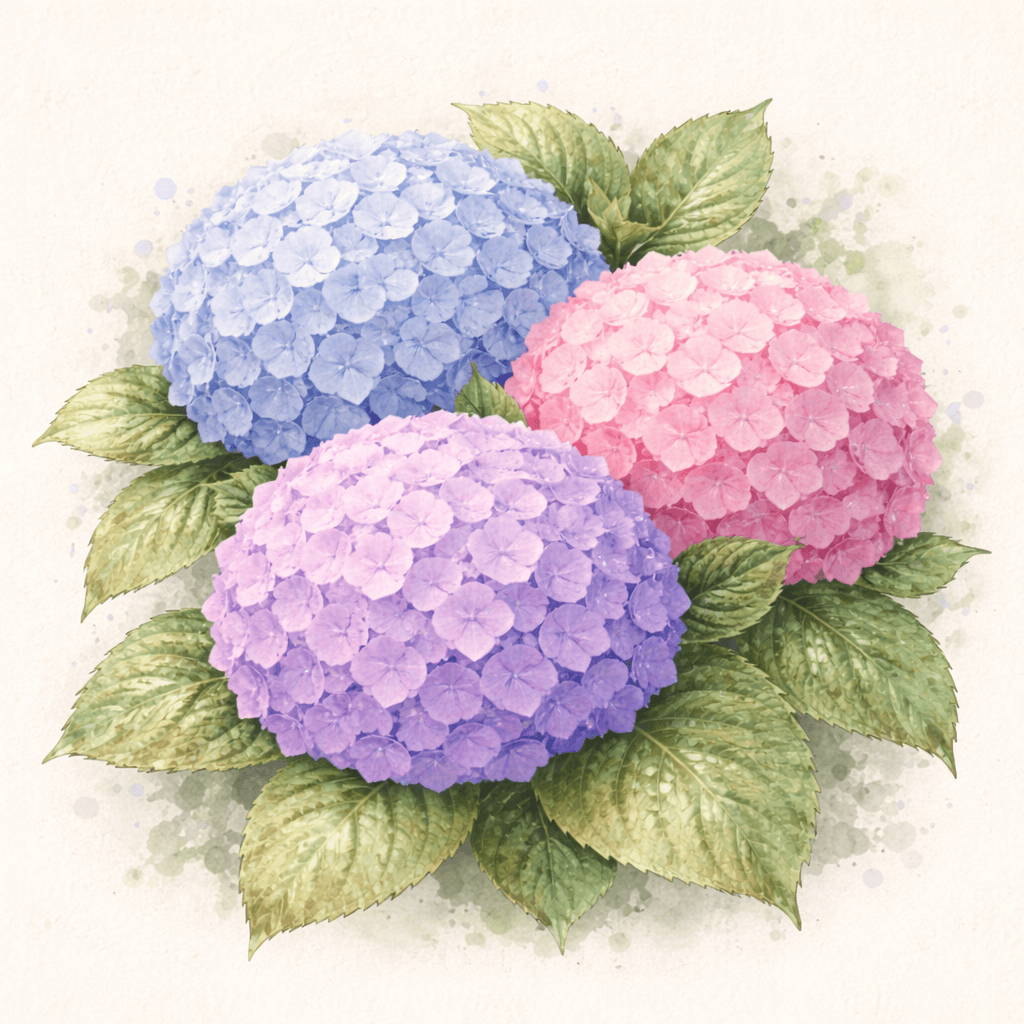
Bigleaf hydrangea
Big round balls (blue, pink, or purple
Hydrangeas are beautiful, dramatic, and wildly misunderstood.
Most pruning mistakes don’t happen because people are careless — they happen because hydrangeas all look similar but follow completely different rules.
This guide exists so you don’t have to guess.
If you remember one thing:
If you don’t know what type you have, don’t prune yet.
Let’s fix that.
Before touching pruners, identify what kind of hydrangea you have. Everything else depends on this.
Bigleaf hydrangea
Most common in home gardens
Mophead or lacecap flowers
Blooms on old wood
 Do not hard prune
Panicle hydrangea
White → blush → pink
Upright, sturdy
Blooms on new wood
 Safe to prune hard
Smooth hydrangea
Usually ‘Annabelle’ types
Blooms on new wood
Safe to prune hard
Bigleaf (lacecap type)
Still blooms on old wood
Still dangerous to prune hard
Big round balls (blue, pink, or purple
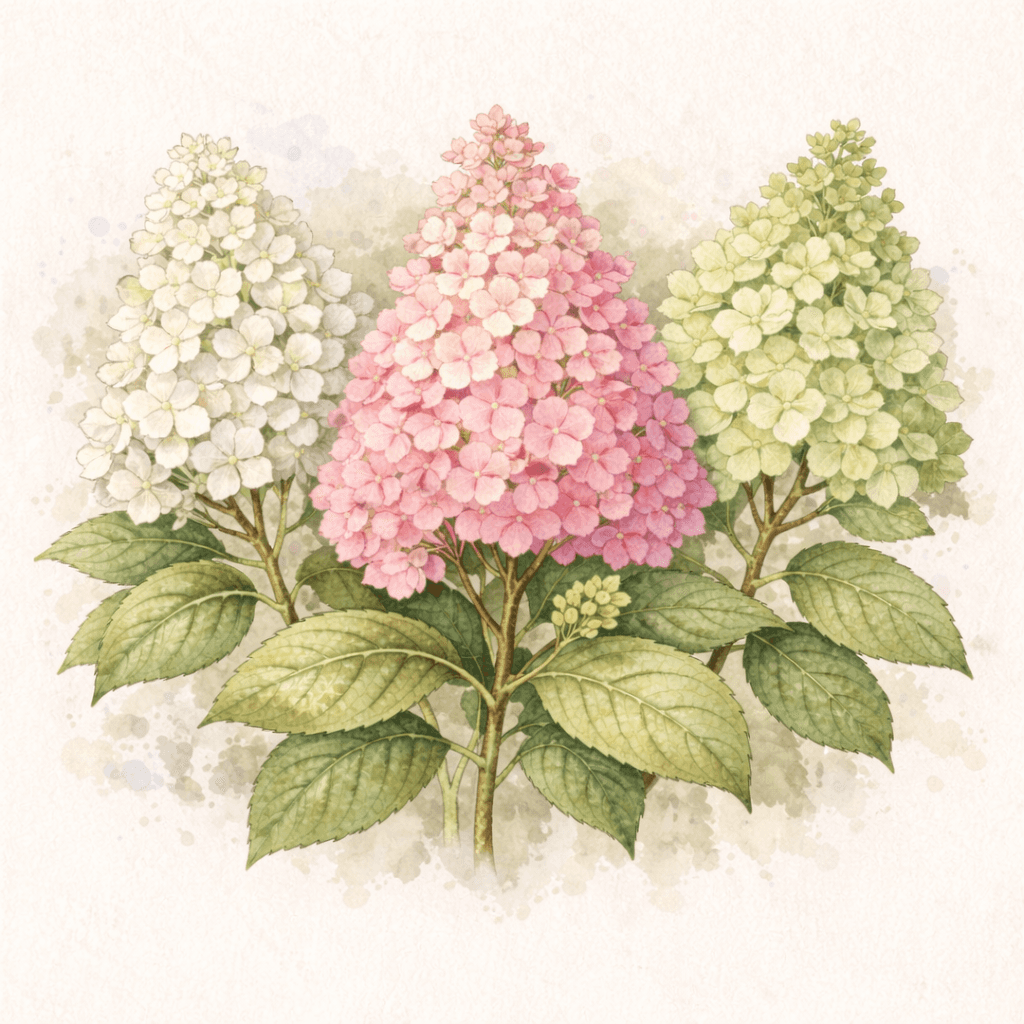
Cone-shaped flowers (like ice-cream cones)
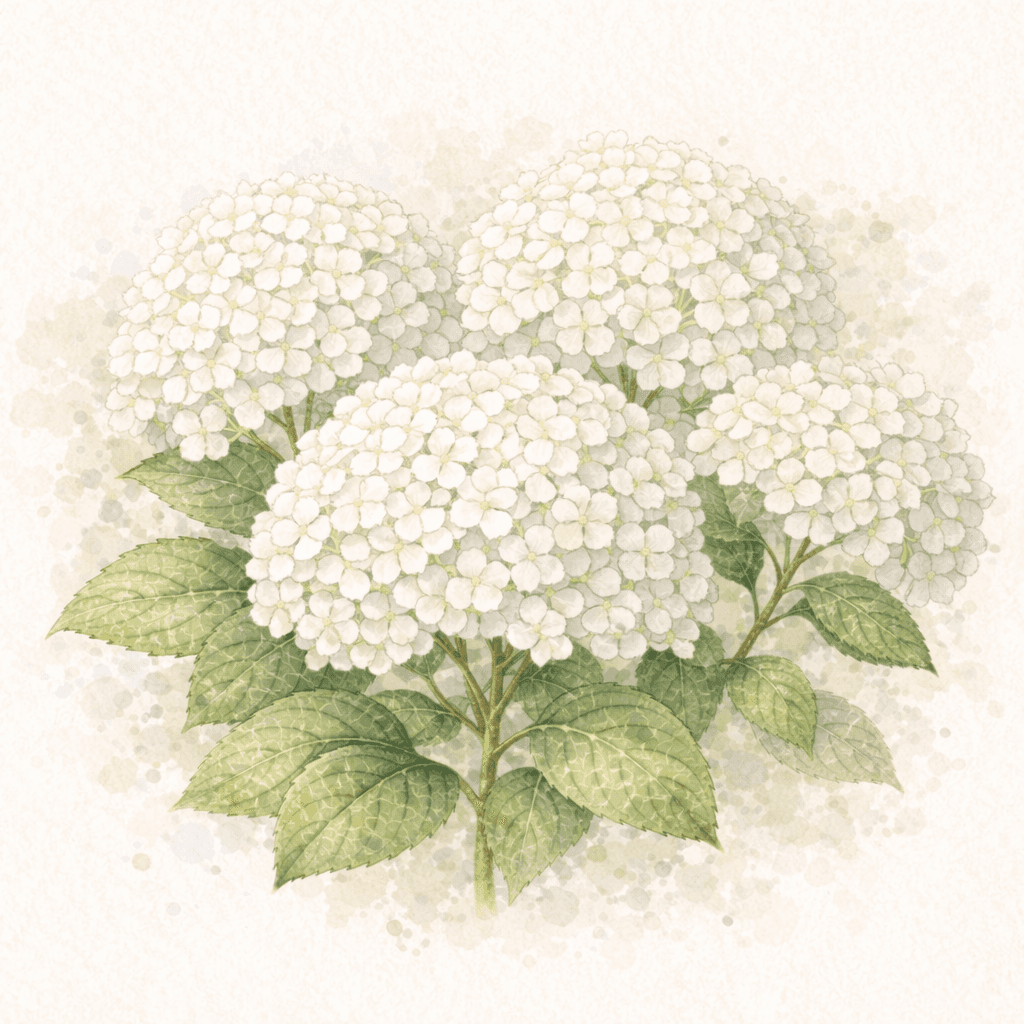
Big white snowballs (not cones, often floppy)
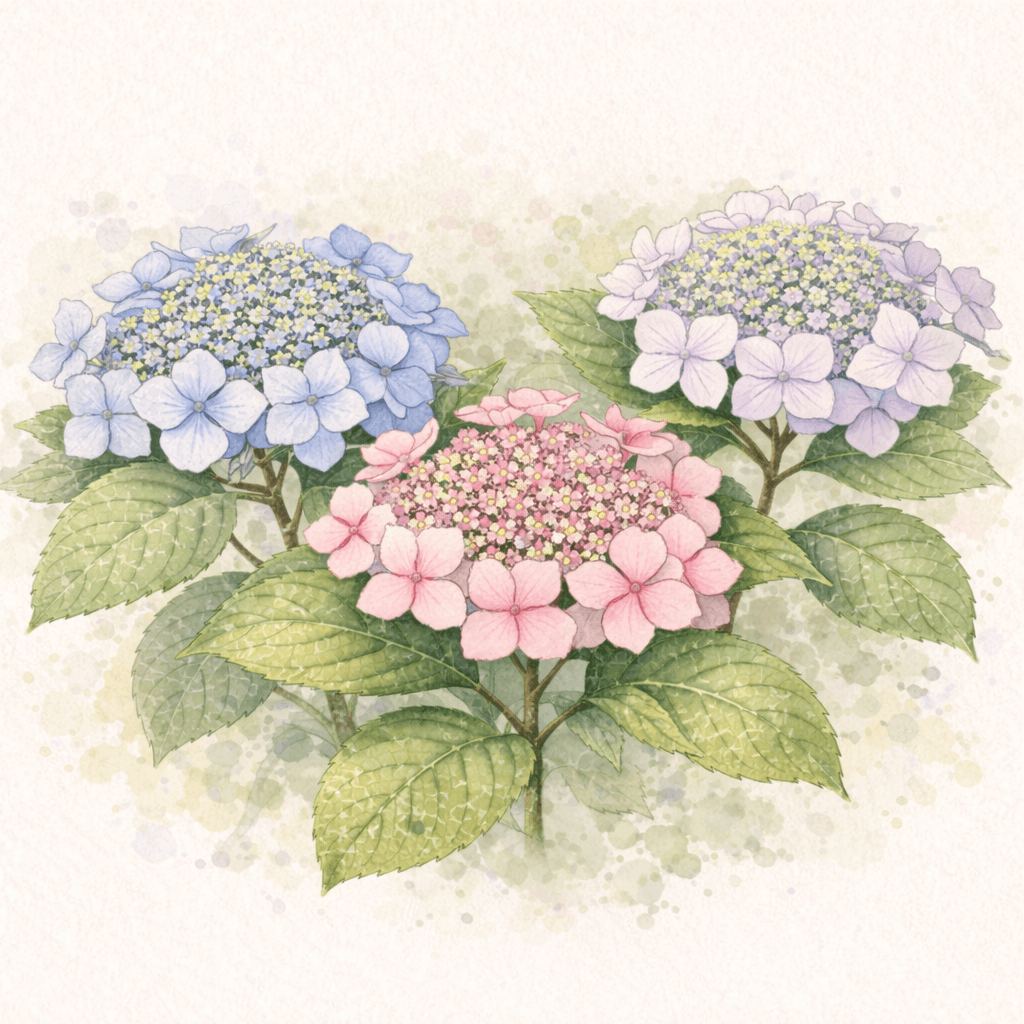
Flat flowers with a ring of big petals
Oakleaf hydrangea
Unmistakable leaf shape
Beautiful fall color
Blooms on old wood
Minimal pruning only
Bigleaf hydrangea
Tender stems
Most cold-sensitive
Do not prune in spring
Panicle hydrangea
Shrubby, woody
Looks tougher (because it is)
Prune confidently
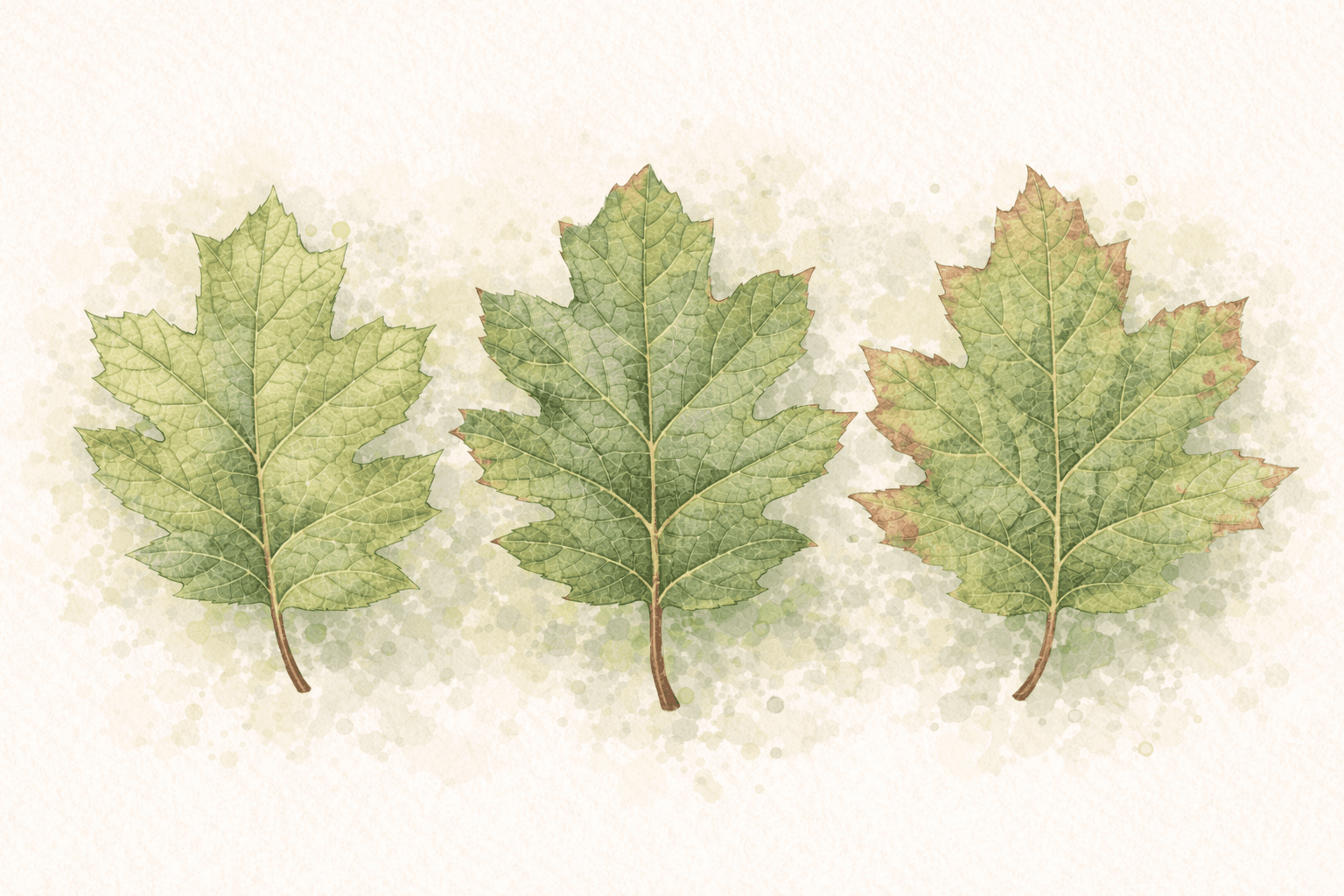
Oak-shaped leaves
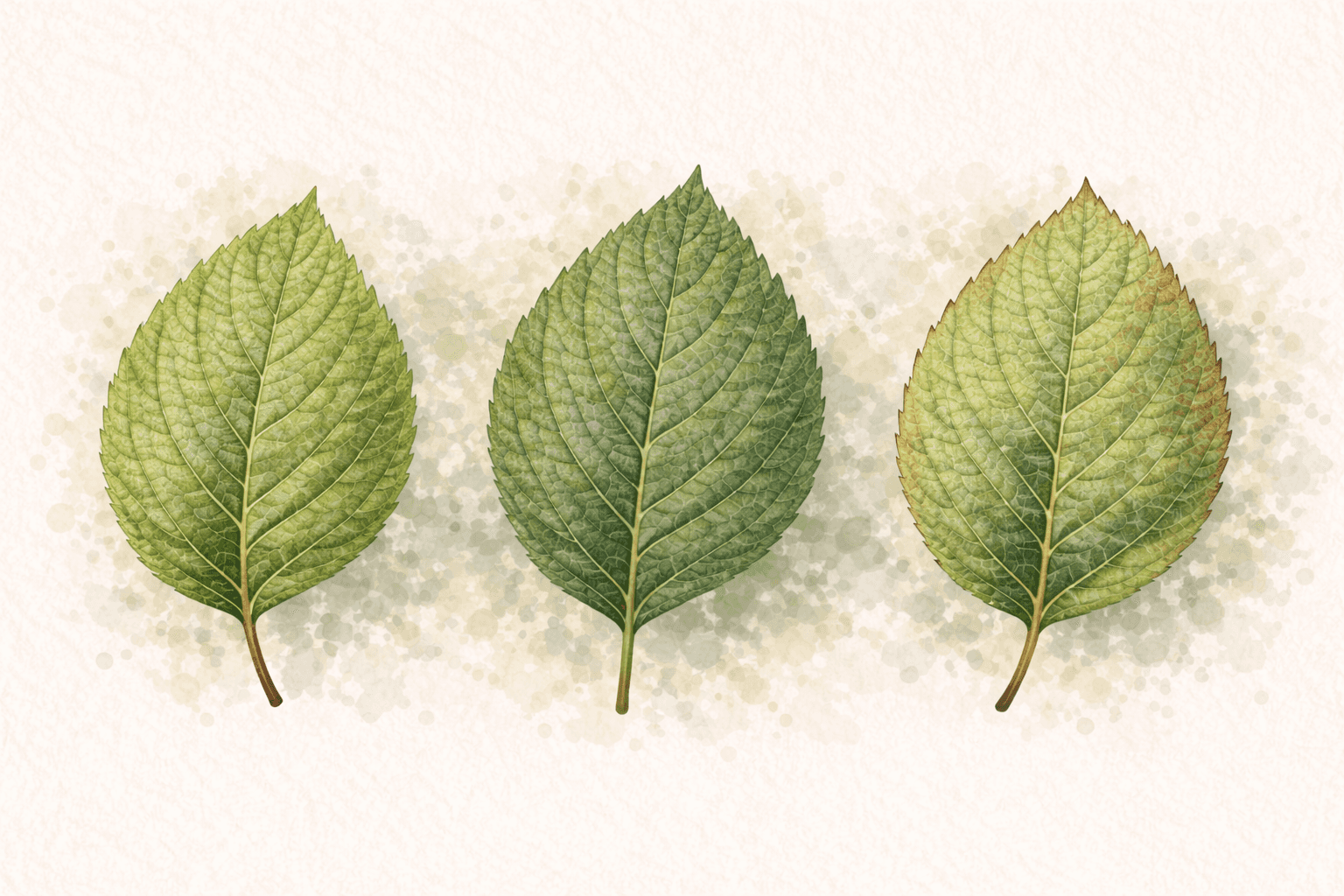
Huge, soft, floppy leaves
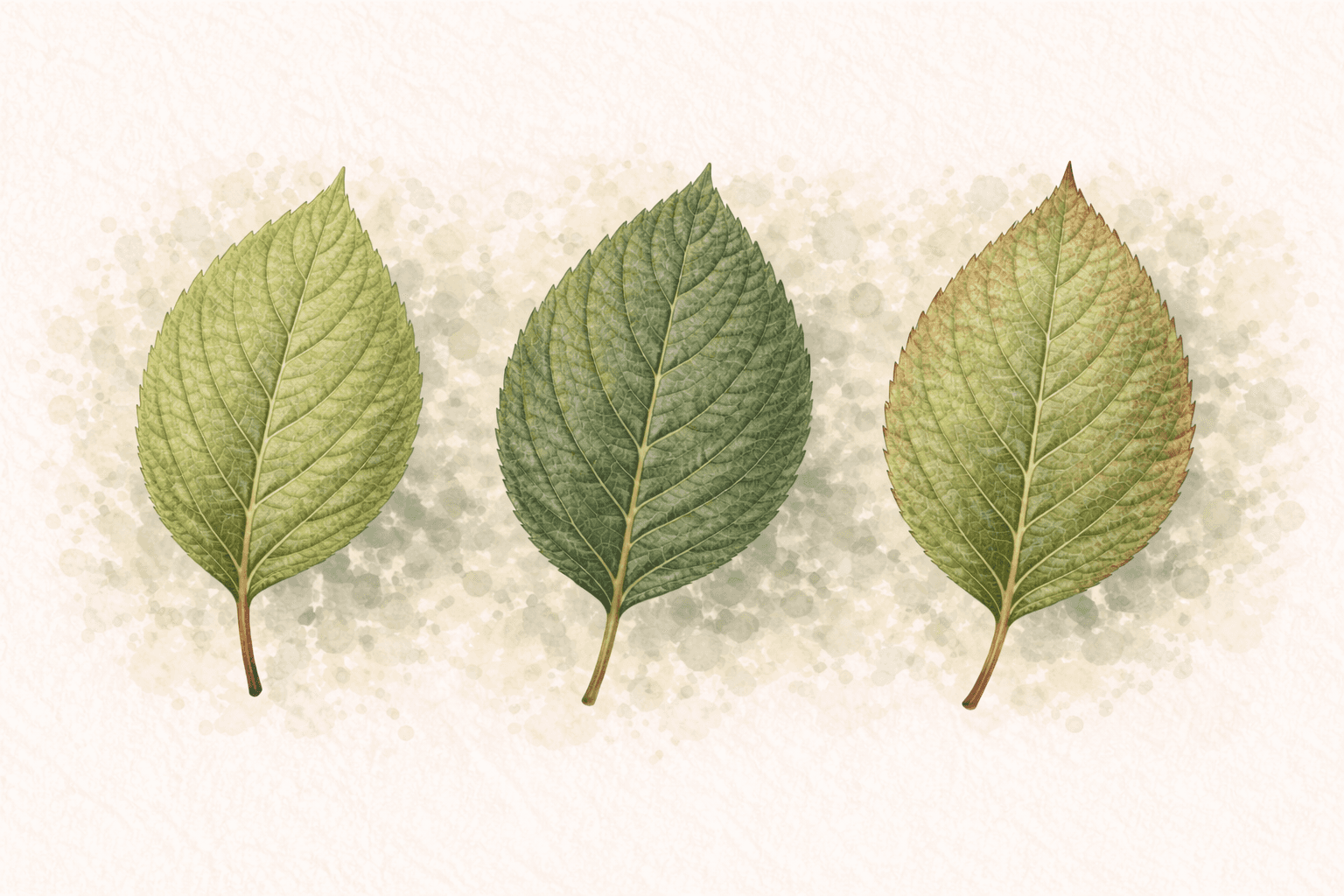
Smaller, firmer, pointy leaves
Type | Blooms On | Can You Prune Hard? |
|---|---|---|
Bigleaf | Old wood |
|
Oakleaf | Old wood |
|
Panicle | New wood |
|
Smooth | New wood |
|
Old wood = last year’s stems
Cut them → you cut flowers.
Safe to prune:
Panicle
Smooth
Do NOT prune:
Bigleaf
Oakleaf
Deadhead spent flowers
Light shaping only
Stop by late summer
🚫 Don’t prune anything
Plants are setting buds and storing energy.
Cut back to 12–24 inches
Remove dead or crossing stems
Aim for strong, open structure
You are not hurting it.
Remove dead wood only
Deadhead flowers by cutting just below the bloom
Always cut above a healthy bud
When unsure → stop.
Answer honestly:
Answer what you can. If you’re unsure, skip pruning this year.
If you’re still unsure:
Do nothing this year.
That is always safer than guessing.
Pruning everything in March “to tidy it”
Treating all hydrangeas the same
Trusting random social media advice
Assuming no flowers = plant failure
Hydrangeas are just dramatic communicators.
In Zone 8:
Winter damage can kill old wood
Even “correct” pruning can fail after cold snaps
Leaving plants alone is never wrong
Patience = flowers.
Blue or pink? Step away from the pruners.
White cones or snowballs? You’re safe.
A few more posts that pair well with this one.
Not sure which flowers to deadhead in June? Learn what to trim, what to leave alone, and how deadheading can keep your garden blooming longer in the Pacific Northwest.
A gentle Odd Garden guide to overwintering dahlias in the rainy PNW — including my own failed “leave them in the ground and hope” experiments — and how to dig, cure, store, and revive tubers for a better bloom next year.
A month-by-month Pacific Northwest gardening calendar for Zone 8a–8b. What to plant, prune, and watch for in real PNW conditions.
Not finding the answers?
Have a gardening question or topic you'd like me to write about? Send a request and I'll see what I can dig up.
Enjoying this post?
If you love the whimsy and want to support more PNW garden guides, you can buy me a coffee.
🌼 Buy Me a Coffee