


Why Your Lettuce Suddenly Bolted (And What To Do About It)
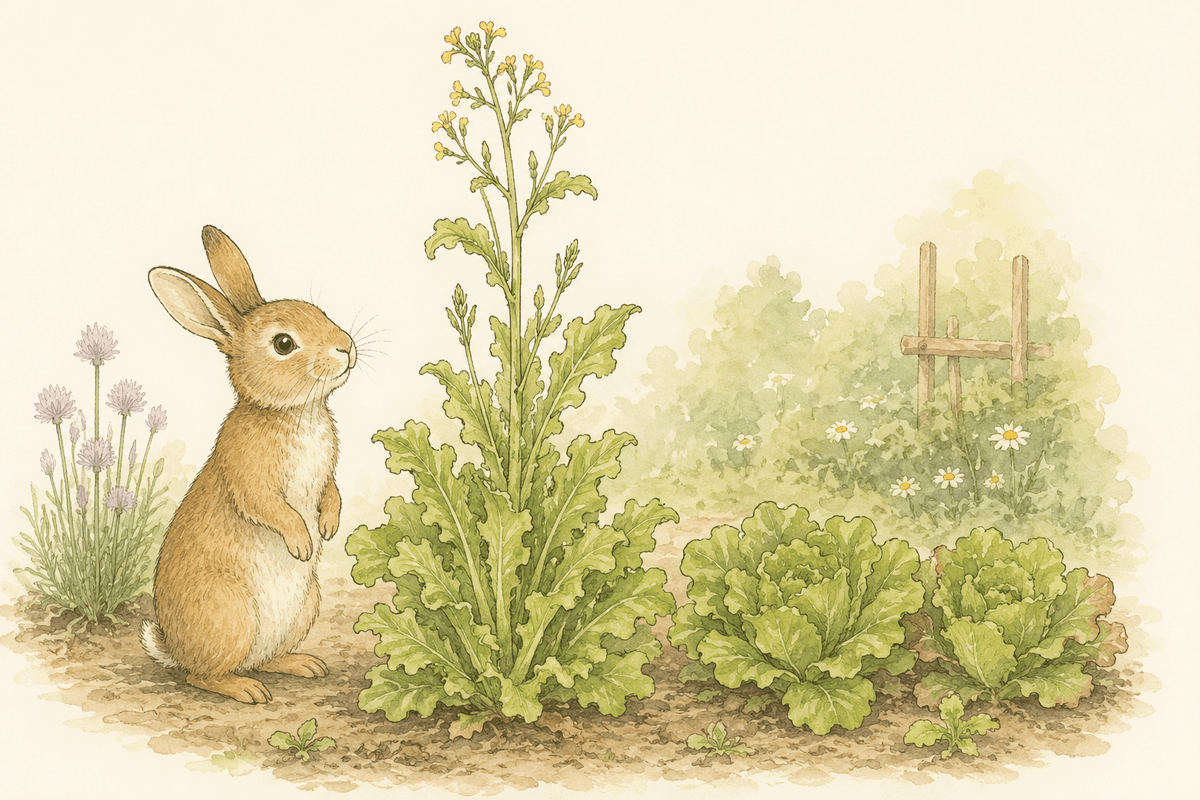
One day your lettuce looks lush, leafy, and ready for salads.
A week later it’s shooting a tall stem into the air and the leaves taste bitter.
If you’ve experienced this, don’t worry—you didn’t do anything wrong.
Your lettuce has likely bolted.
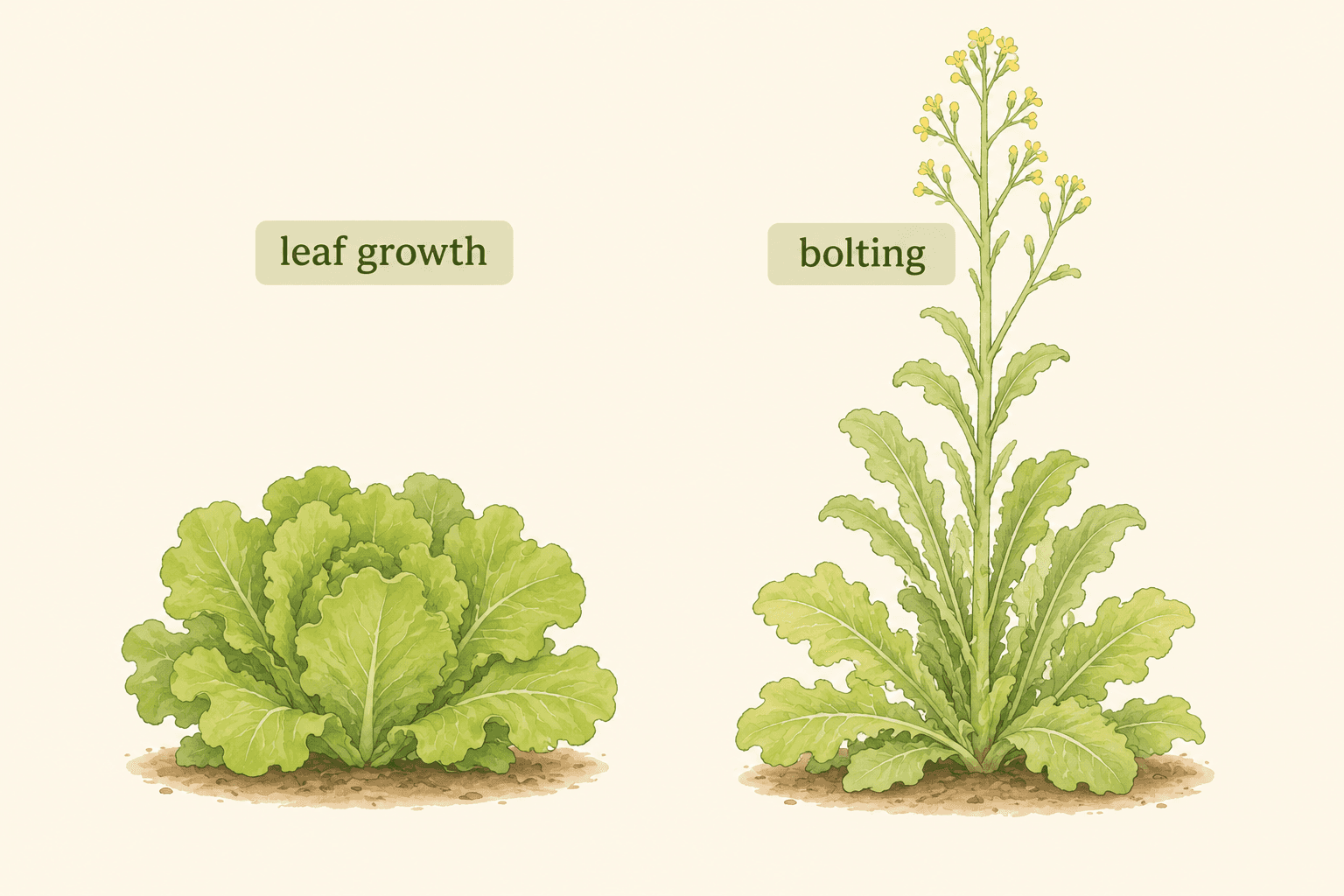
Bolting is a natural part of a lettuce plant’s life cycle. Once the plant decides it’s time to produce seed, it shifts its energy away from making tender leaves and starts growing upward to flower.
Unfortunately for gardeners, this usually means the leaves become tougher and more bitter.
What Does Bolting Look Like?
The first signs can be surprisingly easy to miss.
Watch for:
A stem forming in the center of the plant
Rapid vertical growth
Smaller new leaves
A looser, stretched appearance
Bitter tasting leaves
Many gardeners think their lettuce suddenly “grew well.”
In reality, the plant has switched from producing food for you to producing seeds for itself.
Why Lettuce Bolts
Lettuce is a cool-season crop.
It thrives in the mild temperatures of spring and early autumn.
When days become longer and temperatures rise, the plant receives a signal that summer has arrived.

Its response is simple:
Grow flowers. Make seeds. Complete the life cycle.
Several factors can speed up bolting:
Heat
Warm weather is the biggest trigger.
Even in the Pacific Northwest, a few unusually warm days can push lettuce toward flowering.
Long Daylight Hours
June brings some of the longest days of the year.
Lettuce responds not only to temperature but also to increasing daylight.
Water Stress
A plant that repeatedly dries out may bolt earlier than expected.
Consistent moisture helps prolong the harvest.
Plant Age
Sometimes lettuce bolts simply because it’s mature.
Even perfect conditions won’t keep it producing forever.
Can You Stop It Once It Starts?
Unfortunately, no.
Once lettuce begins bolting, you can’t reverse the process.
You may still be able to harvest some leaves, but flavor usually declines as the plant continues toward flowering.
If the stem is already elongating rapidly, it’s often better to replace the plant and start a new crop.
How To Delay Bolting
You can’t prevent bolting forever, but you can slow it down.
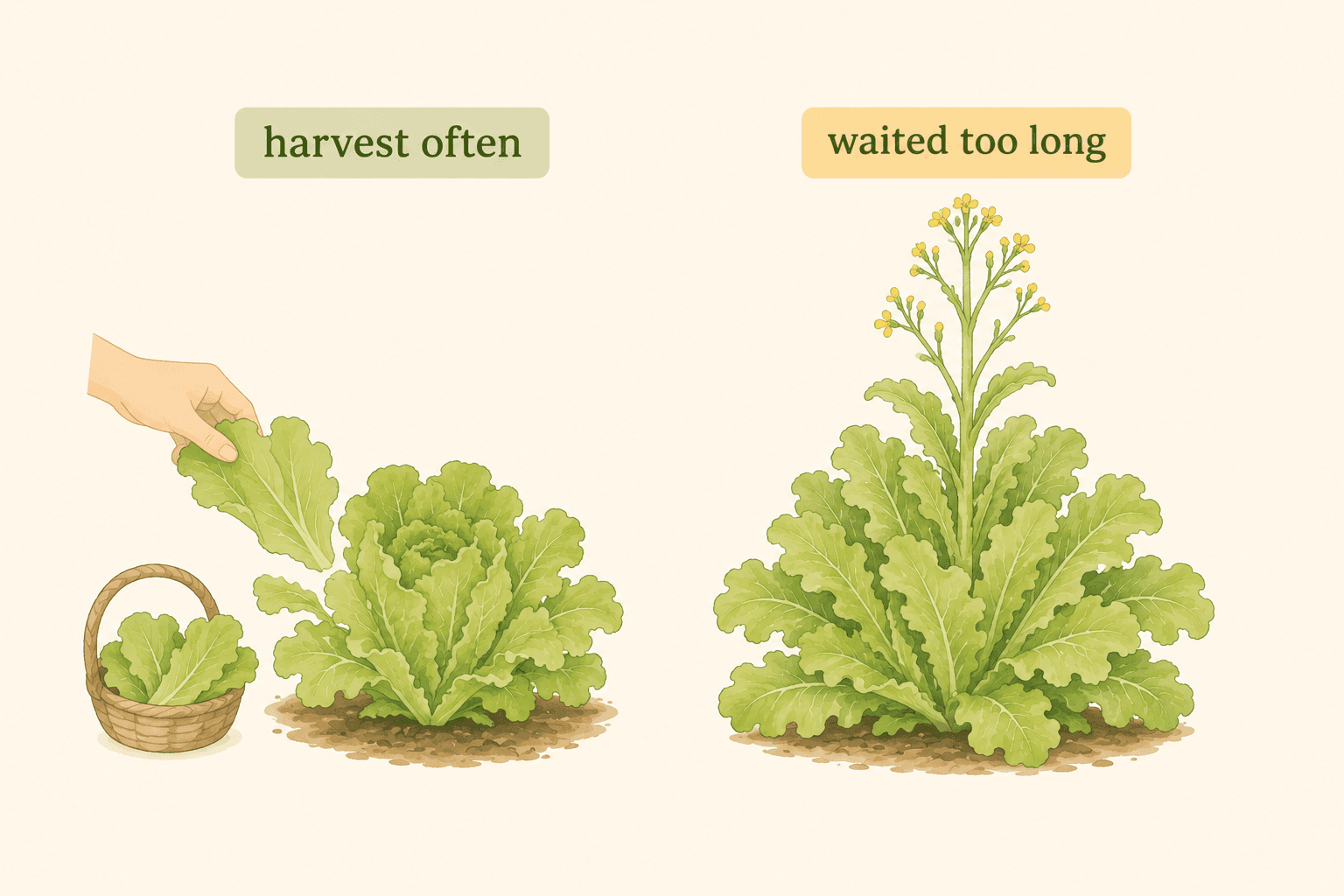
Harvest Often
Regular picking encourages new leaf production.
Don’t wait for heads to become oversized.
Keep Soil Moist
Lettuce prefers consistent moisture.
Deep watering during dry periods helps reduce stress.
Provide Afternoon Shade
In hotter areas of the garden, a little afternoon shade can make a surprising difference.
Sow Successive Crops
Instead of planting all your lettuce at once, sow small amounts every few weeks.
This ensures fresh plants are always coming along behind older ones.
What To Plant Instead During Summer
Once temperatures rise, some crops handle summer better than lettuce.
Consider:
Swiss chard
Kale
Mustard greens
Perpetual spinach
New lettuce seedlings in a partially shaded area
These crops often remain productive longer through the warmest part of summer.
Should You Let Lettuce Flower?
Sometimes.
Flowering lettuce attracts pollinators and can add interest to a vegetable garden.
You can also save seeds from open-pollinated varieties for future planting.
If you have space, consider leaving one plant to complete its life cycle while replacing the others.
Final Thoughts
Bolting is one of the first surprises many gardeners encounter.
It can feel like your lettuce suddenly failed, but the reality is much simpler.
The plant is doing exactly what nature intended.
In the Pacific Northwest, lettuce shines during the cool months of spring and autumn. By understanding what triggers bolting and planting successive crops, you can enjoy fresh salads for much longer throughout the growing season.
Related reads
A few more posts that pair well with this one.
The 10 Plants That Thrive on Neglect
→Looking for low-maintenance plants? These 10 hardy favorites tolerate drought, poor soil, and a little neglect—perfect for busy gardeners in the Pacific Northwest.
Why Your Tomato Plants Have Flowers but No Fruit
→Tomato plants full of flowers but no tomatoes? Learn the most common reasons tomatoes fail to set fruit and what you can do to encourage a healthy harvest in the Pacific Northwest.
Garden Mistakes I Still Make Every June
→Even experienced gardeners make mistakes. Here are the common June gardening mistakes I still catch myself making in the Pacific Northwest—and what I'm trying to do differently.
Not finding the answers?
Have a gardening question or topic you'd like me to write about? Send a request and I'll see what I can dig up.
Enjoying this post?
If you love the whimsy and want to support more PNW garden guides, you can buy me a coffee.
🌼 Buy Me a Coffee