
5 Beautiful Plants That Thrive in Shade (Perfect for Pacific Northwest Gardens)
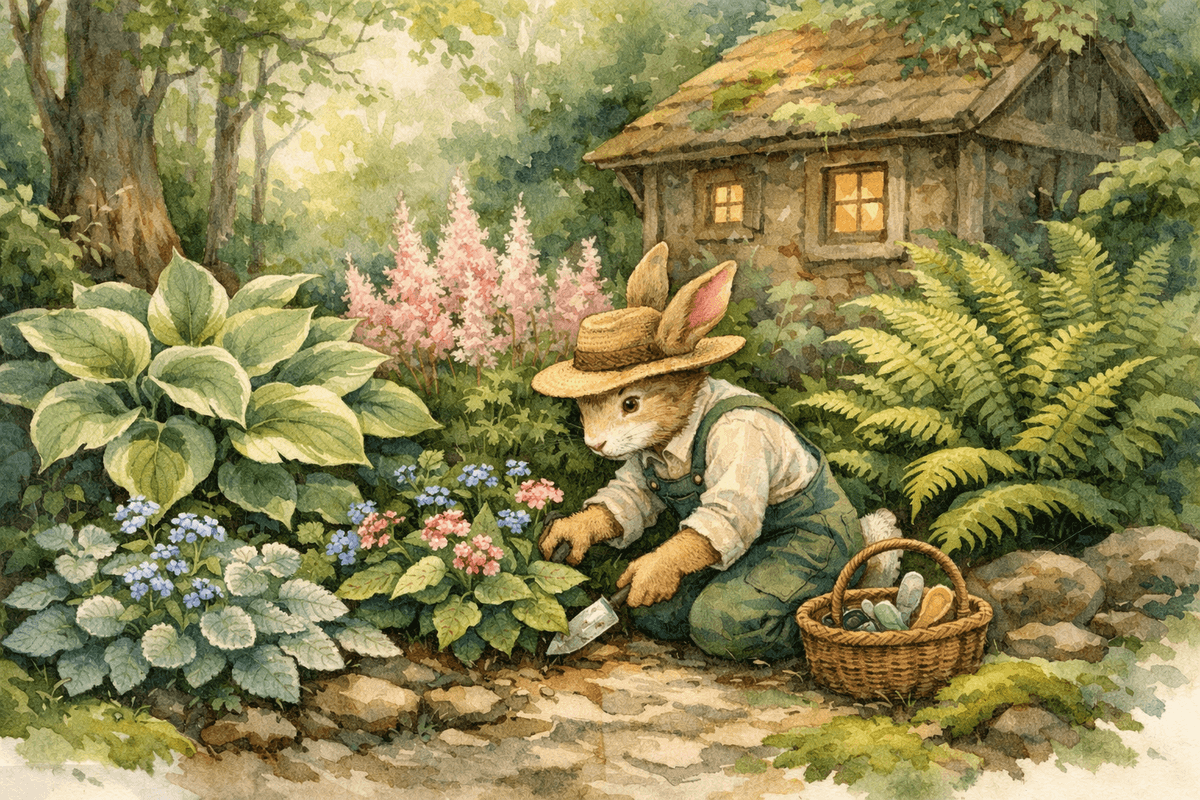
Not every garden is blessed with full sun. In fact, many Pacific Northwest gardens spend most of their time in dappled shade under trees, beside fences, or tucked along the north side of the house.
The good news? Some plants absolutely love those conditions.
If you have a shady corner that feels impossible to plant, these five plants are some of the most reliable, low-effort performers you can grow.
And they’re beautiful too.
1. Lungwort (Pulmonaria)
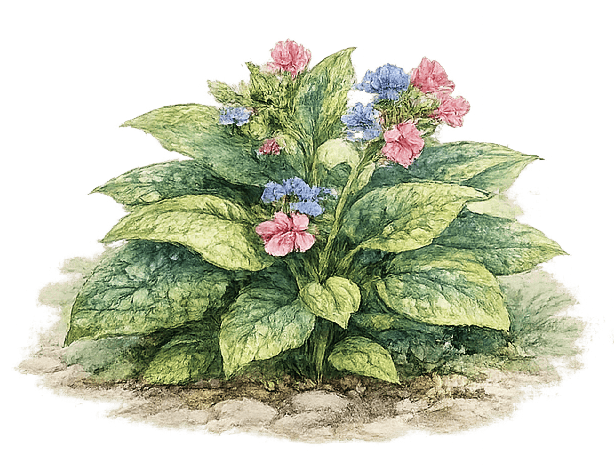
If you’ve never grown lungwort before, you’re missing one of the best early-spring shade plants.
Lungwort forms low clumps of leaves often spotted with silver, and in early spring it produces clusters of flowers that shift from pink to blue as they mature.
But perhaps the best thing about lungwort is the variety names.
Some of them sound less like plants and more like a pub trivia team.
A few real examples:
Shrimp on the Barbie
Twinkle Toes
Raspberry Splash
Silver Bouquet
No matter the name, lungwort is incredibly reliable in shady gardens and is one of the first plants bees visit in spring.
Why gardeners love it
Beautiful spotted foliage
Early pollinator flowers
Extremely shade tolerant
2. Silverleaf Brunnera

Brunnera is often called Siberian Bugloss, which honestly sounds like something a Victorian botanist would make up.
What gardeners actually love about it is the foliage.
Many varieties have large heart-shaped leaves dusted with silver, which brighten shady areas where darker green plants can disappear.
In spring, Brunnera sends up sprays of tiny blue flowers that look a bit like forget-me-nots floating above the leaves.
It’s one of the easiest plants to grow in shade and pairs beautifully with hostas and ferns.
Why it works
Reflective silver foliage brightens dark areas
Tough and long-lived
Deer tend to leave it alone
3. Ferns
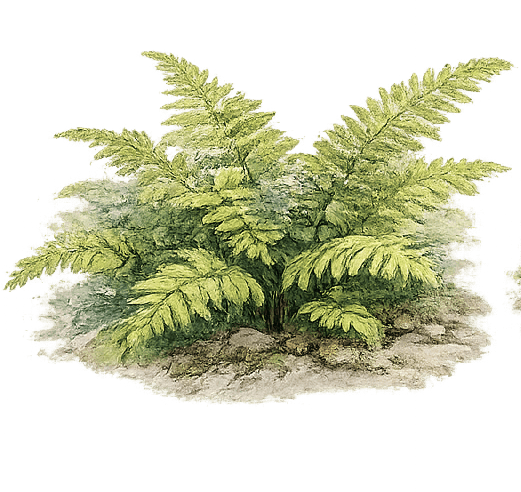
If shade gardens had a backbone, it would be ferns.
They provide structure, texture, and movement in places where flowering plants can struggle.
In the Pacific Northwest, you have wonderful native options like:
Sword fern
Deer fern
Lady fern
Ferns don’t rely on flowers to look good — their unfurling fronds and layered textures create a calm, woodland feel that instantly makes a garden look established.
Plant a few together and suddenly your shady corner looks like it belongs in a forest.
Why they work
Thrive in cool shade
Extremely low maintenance
Evergreen varieties provide year-round structure
4. Hostas
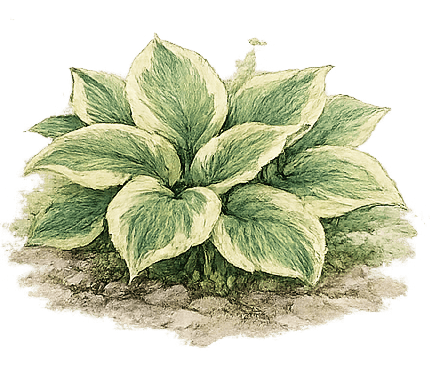
Hostas are practically the official plant of shady gardens.
They come in hundreds of varieties with leaves ranging from:
deep blue-green
bright lime
creamy variegated patterns
giant dinner-plate sized foliage
They’re incredibly forgiving plants and will slowly form larger clumps each year.
The one downside in the Pacific Northwest?
Slugs love them almost as much as gardeners do.
But if you stay on top of slug control, hostas reward you with lush foliage that makes any shade bed look full and intentional.
Why gardeners plant them
Huge variety of leaf colors and sizes
Easy to grow
Excellent for filling empty shady spots
5. Astilbe

Astilbe produces soft, feathery plumes of flowers that float above fern-like foliage in early summer.
They come in shades of:
white
pink
coral
deep red
They look delicate but are actually quite hardy in shady, moist soil.
Also, a small confession.
For years I confidently called this plant “Astibul.”
Not Astilbe.
Astibul.
No one corrected me. Not once.
Which either means everyone was too polite… or no one else knew how to pronounce it either.
Either way, I eventually learned it’s Astil-bee — and it’s one of the most elegant shade perennials you can grow.
Why it’s great
Beautiful feathery flowers
Loves moist shade
Adds vertical interest
A Simple Shade Garden Combination
If you planted all five of these together, you’d have a fantastic shade bed:
Hosta for bold leaves
Brunnera for bright silver foliage
Lungwort for early flowers
Ferns for structure
Astilbe for summer color
That mix gives you texture, flowers, and interest from spring through summer — all without needing much sun.
And honestly, shade gardens often end up being some of the calmest and most beautiful spaces in the garden.
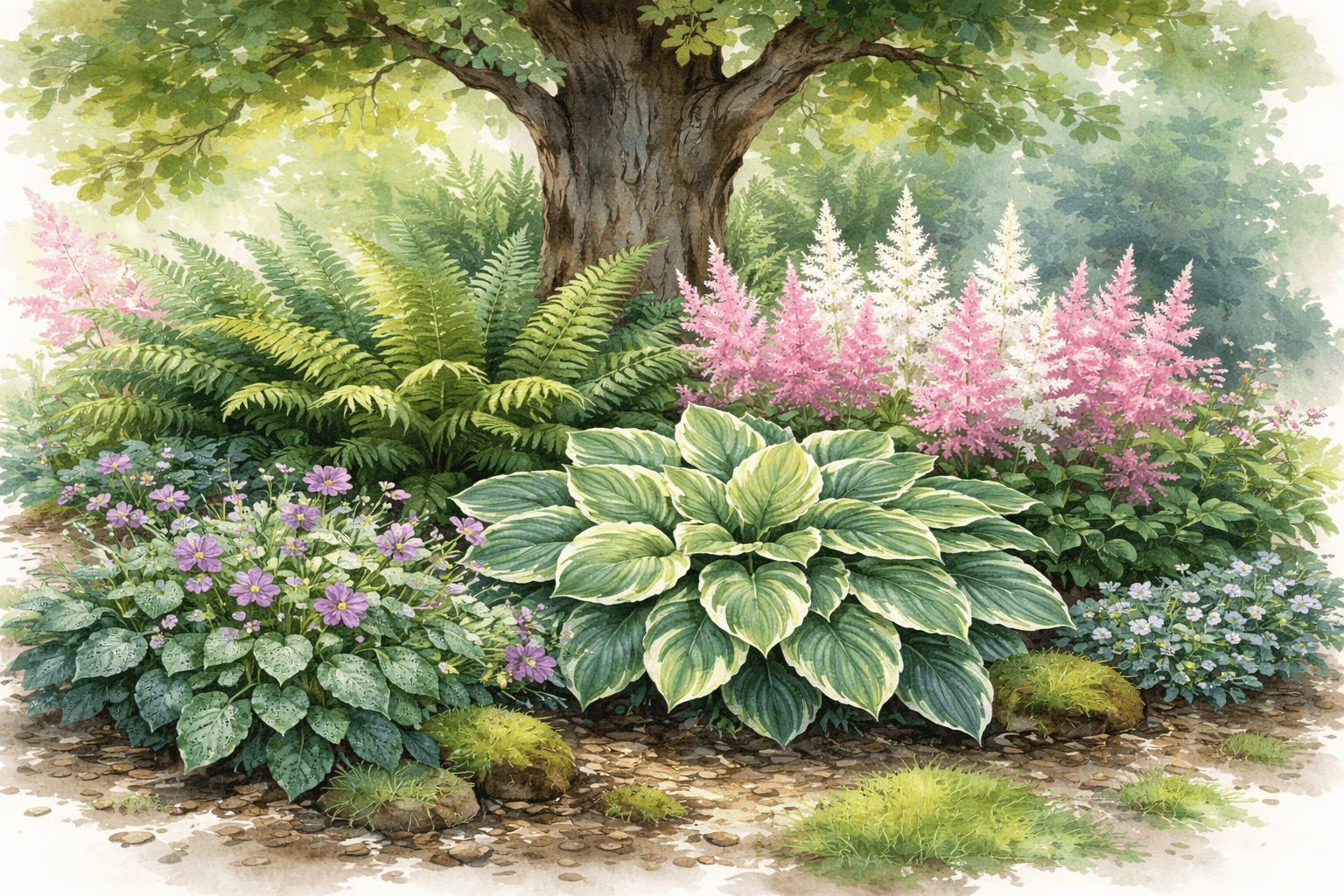
Shade Garden Tip
Plant in layers: ferns in the back, hostas in the middle, and smaller plants like lungwort at the front. This creates depth and makes even small shade beds look lush.
Related reads
A few more posts that pair well with this one.
The 10 Plants That Thrive on Neglect
→Looking for low-maintenance plants? These 10 hardy favorites tolerate drought, poor soil, and a little neglect—perfect for busy gardeners in the Pacific Northwest.
Garden Mistakes I Still Make Every June
→Even experienced gardeners make mistakes. Here are the common June gardening mistakes I still catch myself making in the Pacific Northwest—and what I'm trying to do differently.
Why Your Lettuce Suddenly Bolted (And What To Do About It)
→Wondering why your lettuce suddenly grew tall and turned bitter? Learn what causes lettuce to bolt in the Pacific Northwest and how to extend your harvest.
Not finding the answers?
Have a gardening question or topic you'd like me to write about? Send a request and I'll see what I can dig up.
Enjoying this post?
If you love the whimsy and want to support more PNW garden guides, you can buy me a coffee.
🌼 Buy Me a Coffee