10 Easy Flowers for a Pacific Northwest Pollinator Garden

Spring in the Pacific Northwest has a certain feeling.
The soil is damp, the air smells fresh, and suddenly the garden center feels impossible to resist. You wander the aisles looking for something cheerful to plant — something with color, something alive.
If that sounds familiar, here is a gentle suggestion:
Choose flowers that feed pollinators.
Bees, butterflies, and hummingbirds rely on nectar and pollen from garden plants. By choosing a few pollinator-friendly flowers, you can turn even a small corner of your yard — or a couple of pots — into a tiny habitat.
And the good news is that many of the easiest flowers to grow are also the ones pollinators love most.
Below are ten reliable flowers that thrive in Pacific Northwest gardens and are easy to find at local nurseries.
What Makes a Flower Pollinator-Friendly?
Pollinators are drawn to plants that provide nectar and pollen, especially flowers that are easy to land on and rich in food.
In general, good pollinator plants have:
Simple, open flowers (not overly double or hybridized)
Bright colors like purple, blue, yellow, and white
A long flowering season
Plenty of nectar
Native plants are especially helpful, but many classic garden flowers work beautifully too.
10 Easy Flowers for Pollinators
These plants are beginner-friendly and well suited to Pacific Northwest climate and soil.

Lavender
Lavandula angustifolia
Lavender might be the single most reliable pollinator plant you can grow.
Bees absolutely adore it, and once established it thrives in our dry summer conditions.
Why it works
Blooms for a long time
Very drought tolerant
Loved by bees and butterflies
Growing tips
Full sun
Well-drained soil
Trim lightly after flowering
Coneflower
Echinacea
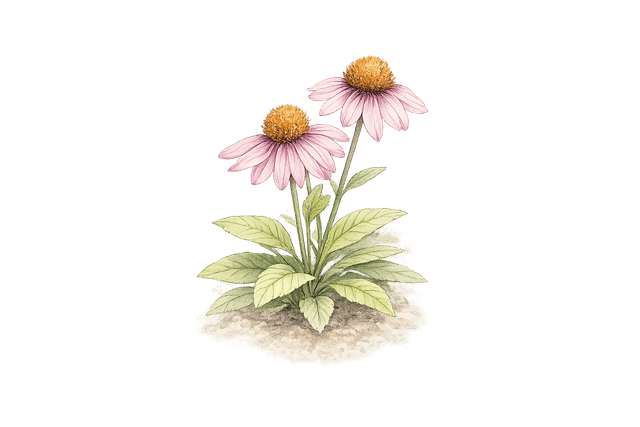
Coneflowers are sturdy perennials that produce large daisy-like blooms all summer.
They are magnets for bees and butterflies, and birds will often eat the seeds in autumn.
Why it works
Long flowering season
Excellent nectar source
Very hardy once established
Growing tips
Full sun
Average soil
Leave seed heads through fall for birds

Yarrow
Achillea millefolium
Yarrow is a wonderful pollinator plant and also happens to be native to the Pacific Northwest.
Its flat flower clusters are perfect landing pads for bees and beneficial insects.
Why it works
Native plant
Extremely drought tolerant
Blooms early summer through fall
Growing tips
Full sun
Tolerates poor soil
Cut back after first bloom for a second flush

California Poppy
Eschscholzia californica
These cheerful orange flowers practically glow in the garden.
They are easy to grow from seed and reseed themselves happily.
Why it works
Early nectar source
Very low maintenance
Great for dry areas
Growing tips
Full sun
Direct sow in spring
Prefers light soil

Bee Balm
Monarda
The name says it all.
Bee balm produces shaggy, bright flowers that attract bees, butterflies, and hummingbirds.
Why it works
Excellent nectar source
Long bloom period
Great hummingbird plant
Growing tips
Sun to part shade
Average moisture
Good airflow helps prevent mildew
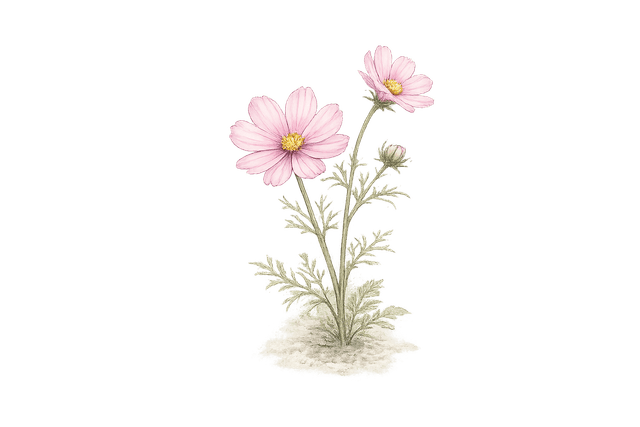
Cosmos
Cosmos are among the easiest annual flowers you can grow.
They bloom continuously from summer until frost and attract many small pollinators.
Why it works
Long flowering season
Easy from seed
Very low maintenance
Growing tips
Full sun
Average soil
Deadhead for more blooms

Borage
Borage produces beautiful star-shaped blue flowers that bees absolutely love.
It grows quickly and self-seeds gently in many gardens.
Why it works
Extremely attractive to bees
Edible flowers
Blooms for months
Growing tips
Full sun
Average soil
Allow some plants to reseed
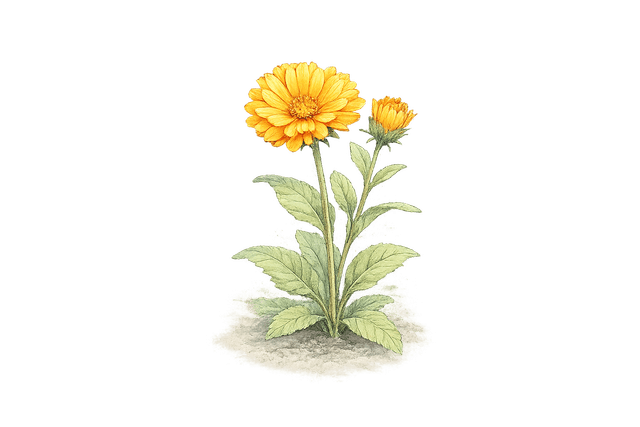
Calendula
Calendula, sometimes called pot marigold, produces sunny yellow and orange flowers for months.
It’s easy to grow from seed and tolerates cool spring weather.
Why it works
Early and long bloom period
Pollinator friendly
Edible petals
Growing tips
Sun to part shade
Regular watering
Deadhead to encourage more flowers
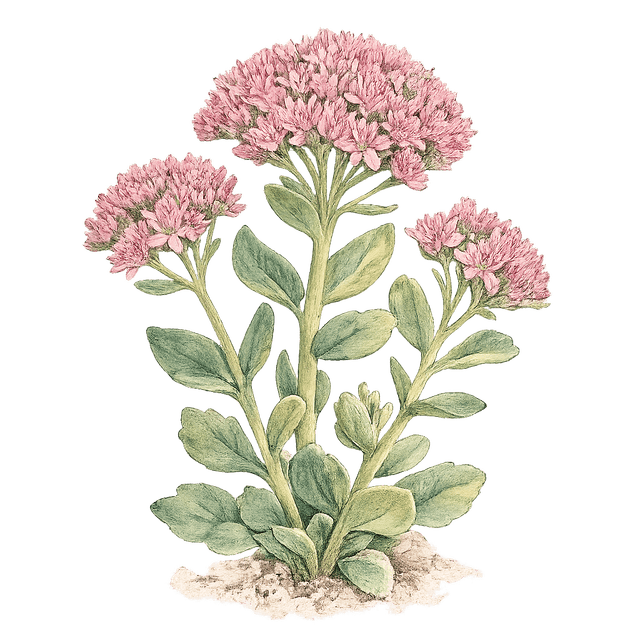
Sedum (Stonecrop)
Sedum blooms later in the season, making it an important nectar source when many other flowers are fading.
Bees often cover the flower heads in late summer.
Why it works
Late nectar source
Drought tolerant
Very easy perennial
Growing tips
Full sun
Well-drained soil
Minimal care needed
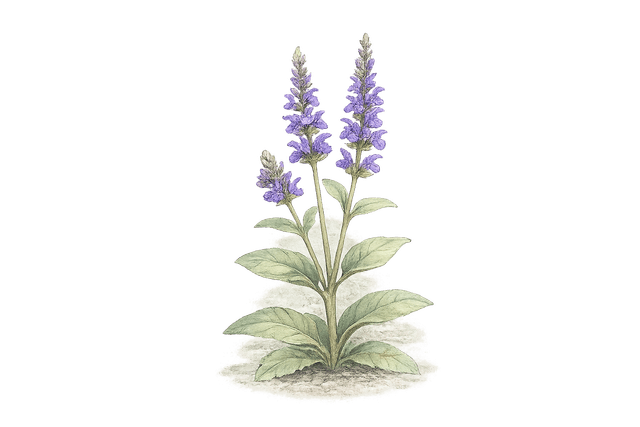
Salvia
Salvias produce spires of nectar-rich flowers that pollinators flock to.
Many varieties bloom for months.
Why it works
Excellent bee and hummingbird plant
Long flowering season
Very drought tolerant
Growing tips
Full sun
Good drainage
Cut back after flowering
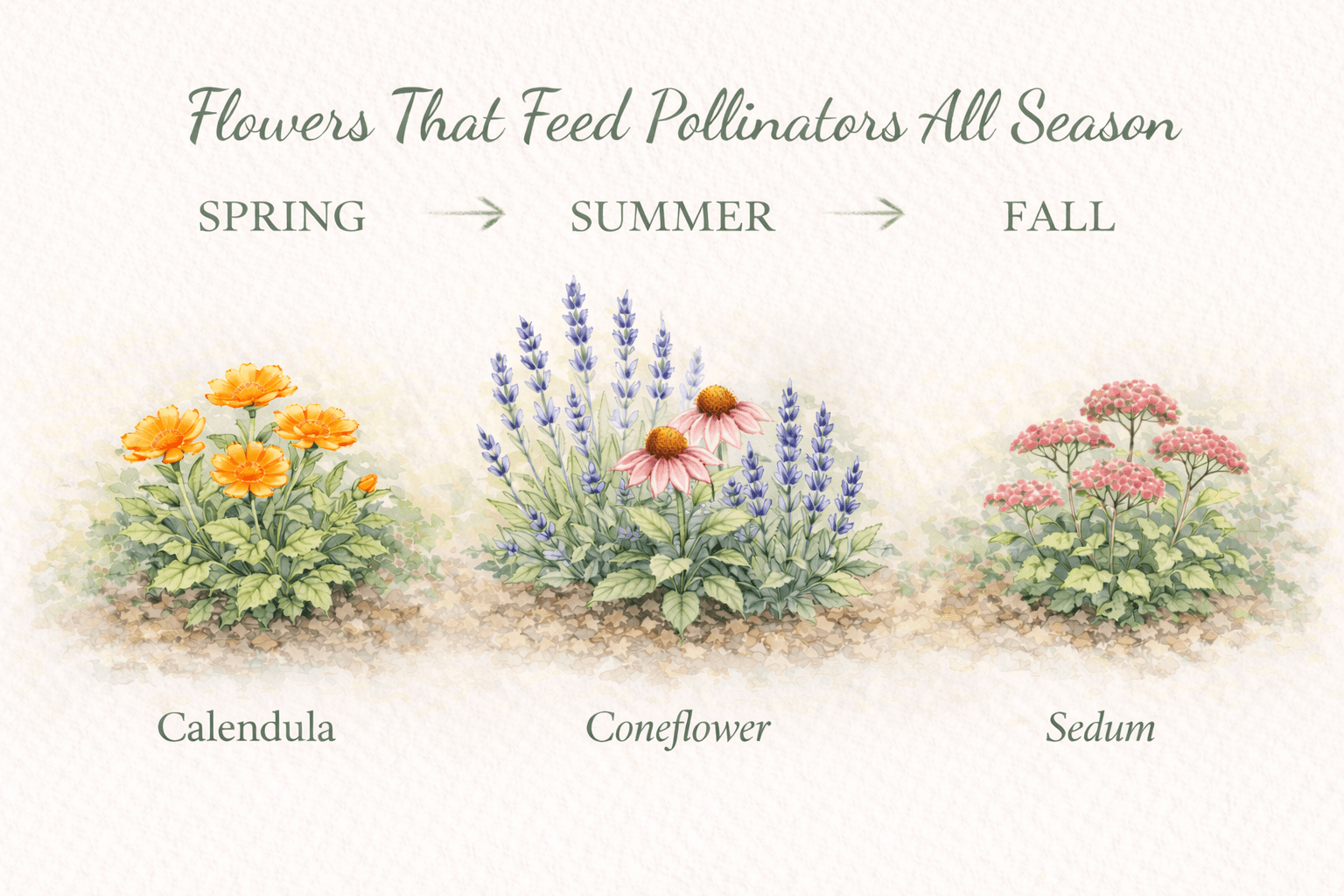
Flower | Spring | Summer | Fall |
|---|---|---|---|
Calendula | 🌼 | 🌼 | |
Lavender | 🌸 | ||
Coneflower | 🌸 | 🌸 | |
Salvia | 🌸 | 🌸 | |
Sedum | 🍂 |
A Simple Beginner Pollinator Patch
You don’t need a large garden to support pollinators.
Even three to five plants can make a difference.
A simple beginner combination might look like this:
Lavender
Coneflower
Yarrow
Salvia
Calendula
This mix provides:
Early flowers (calendula)
Summer blooms (lavender and coneflower)
Late nectar (sedum)
Together they create a long season of food for pollinators.
You don’t need a meadow to help pollinators — just a few flowers blooming in the right place.
Even a Few Flowers Can Help
A pollinator garden doesn’t have to be perfect.
It might begin with just a few pots by the front door or a small patch near the walkway.
What matters is that flowers are blooming — offering nectar, pollen, and a place for insects to visit.
Plant a few this spring, and you may soon notice something wonderful:
Your garden starts to hum.
Related reads
A few more posts that pair well with this one.
The Winter Rose: Why Hellebores Shine When Gardens Sleep
→Discover the magic of hellebores—the winter rose that blooms in the cold, feeds early pollinators, and brings year-round beauty to shade gardens.
The PNW Winter Bird Buffet: Planting Food When the Garden Sleeps
→Create a winter wildlife sanctuary in your PNW garden. Discover the best plants for feeding birds with berries, seeds, and shelter from December to spring.
Cover Crops for Pacific Northwest Gardens: Protect and Improve Your Soil Over Winter
→Discover the best fall cover crops for Pacific Northwest vegetable gardens, when to plant them, and how to improve your soil naturally over winter.
Not finding the answers?
Have a gardening question or topic you'd like me to write about? Send a request and I'll see what I can dig up.
Enjoying this post?
If you love the whimsy and want to support more PNW garden guides, you can buy me a coffee.
🌼 Buy Me a Coffee