The 10 Plants That Thrive on Neglect
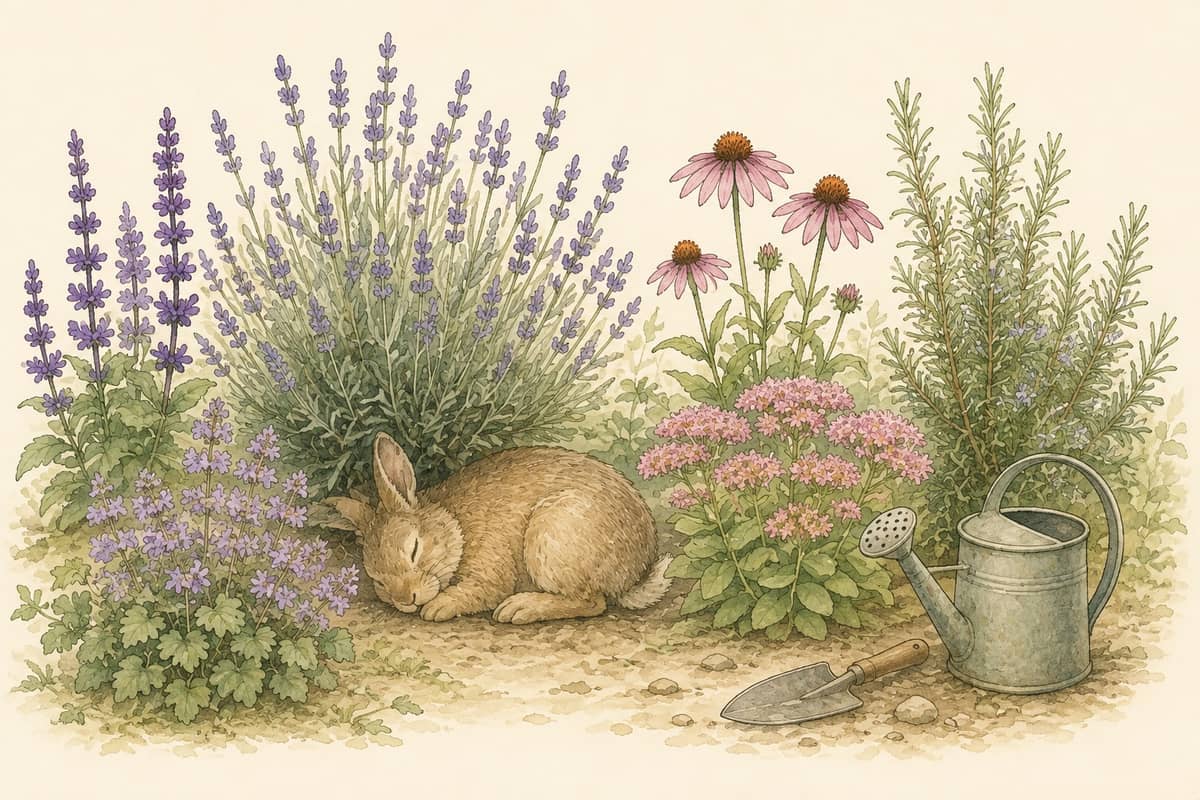
Let's be honest.
Life gets busy.
Some weeks you remember to water, weed, and deadhead. Other weeks you're just happy if you remember where you left your secateurs.
The good news is that not every plant expects constant attention.
Some actually perform better when they're left alone.
Whether you're new to gardening, short on time, or simply prefer enjoying your garden more than maintaining it, these plants are wonderfully forgiving.
1. Lavender
🪻 Lavandula angustifolia
☀️ Sun: Full Sun
💧 Water: 🪣☆☆☆☆ (Very Low)
🦋 Pollinators: ★★★★★
📏 Height: 45–75 cm (18–30")
🌸 Bloom: June–August
🌱 USDA Zones: 5–9
Best for: Sunny borders, paths, containers
Once established, lavender prefers life on the drier side.
Too much water is often a bigger problem than too little.
It rewards neglect with fragrant flowers, silver foliage, and plenty of visits from bees.
2. Sedum (Stonecrop)
☀️ Sun: Full Sun
💧 Water: 🪣☆☆☆☆ (Very Low)
🦋 Pollinators: ★★★★☆
📏 Height: 30–60 cm (12–24")
🌸 Bloom: August–October
🌱 USDA Zones: 3–9
Best for: Dry borders, rock gardens
Perfect for gardeners who occasionally forget to water.
Its thick leaves store moisture, making it remarkably drought tolerant.
Even poor soil doesn't seem to bother it.
3. Catmint (Nepeta)
☀️ Sun: Full Sun to Part Sun
💧 Water: 🪣🪣☆☆☆ (Low)
🦋 Pollinators: ★★★★★
📏 Height: 45–90 cm (18–36")
🌸 Bloom: May–September
🌱 USDA Zones: 3–8
Best for: Cottage gardens, edging
One of the hardest-working perennials.
It flowers for months, attracts bees, and looks fresh even after hot weather.
Give it a quick trim after flowering and it often blooms again.
4. Coneflower (Echinacea)
☀️ Sun: Full Sun
💧 Water: 🪣🪣☆☆☆ (Low)
🦋 Pollinators: ★★★★★
📏 Height: 60–120 cm (24–48")
🌸 Bloom: July–September
🌱 USDA Zones: 3–9
Best for: Pollinator gardens
Native prairie plants know how to survive.
Coneflowers handle heat, dry spells, and poor soil with ease.
Better still, birds love the seed heads in autumn.
5. Salvia
☀️ Sun: Full Sun
💧 Water: 🪣🪣☆☆☆ (Low)
🦋 Pollinators: ★★★★★
📏 Height: 45–90 cm (18–36")
🌸 Bloom: June–September
🌱 USDA Zones: 4–10 (variety dependent)
Best for: Sunny borders
Another pollinator favourite.
Salvia asks for very little beyond sunshine.
Deadhead if you remember.
If you don't, it will probably still look good.
6. Yarrow
☀️ Sun: Full Sun
💧 Water: 🪣☆☆☆☆ (Very Low)
🦋 Pollinators: ★★★★☆
📏 Height: 45–90 cm (18–36")
🌸 Bloom: June–September
🌱 USDA Zones: 3–9
Best for: Dry meadows, borders
Few plants are tougher.
It thrives in poor soil, laughs at drought, and produces large flat flower heads all summer.
7. Russian Sage
☀️ Sun: Full Sun
💧 Water: 🪣☆☆☆☆ (Very Low)
🦋 Pollinators: ★★★★☆
📏 Height: 90–150 cm (3–5 ft)
🌸 Bloom: July–October
🌱 USDA Zones: 4–9
Best for: Hot, sunny garden
Tall, airy, and covered in lavender-blue flowers.
Once established it needs surprisingly little attention.
Ideal for hot sunny borders.
8. Rosemary
☀️ Sun: Full Sun
💧 Water: 🪣☆☆☆☆ (Very Low)
🦋 Pollinators: ★★★☆☆
📏 Height: 60–150 cm (2–5 ft)
🌸 Bloom: Spring–Early Summer
🌱 USDA Zones: 7–10
Best for: Herb gardens, containers
In well-drained soil, rosemary is wonderfully independent.
It tolerates dry summers far better than soggy winters.
As a bonus, you can harvest it for the kitchen all year.
9. Hardy Geranium
☀️ Sun: Full Sun to Part Shade
💧 Water: 🪣🪣☆☆☆ (Low)
🦋 Pollinators: ★★★★☆
📏 Height: 30–60 cm (12–24")
🌸 Bloom: May–July (often longer with a trim)
🌱 USDA Zones: 4–8
Best for: Ground cover
Don't confuse these with bedding geraniums.
Hardy geraniums spread gently, suppress weeds, and produce masses of flowers with very little effort.
10. Hellebores
☀️ Sun: Part Shade to Full Shade
💧 Water: 🪣🪣🪣☆☆ (Moderate while establishing)
🦋 Pollinators: ★★★☆☆
📏 Height: 30–45 cm (12–18")
🌸 Bloom: January–March
🌱 USDA Zones: 4–9
Best for: Woodland gardens, shade borders
One of the few plants that asks almost nothing of you.
Flowers appear in late winter when little else is happening, while evergreen leaves provide year-round structure.
What These Plants Have in Common
Although they look very different, they share several useful traits.
Most:
Prefer well-drained soil
Cope with dry periods
Need little fertiliser
Rarely suffer serious pests
Return year after year
Low Maintenance Doesn't Mean No Maintenance
Even the toughest plants appreciate a little care.
Water them while they're becoming established.
Remove dead stems once a year.
Give them enough space to grow.
After that, they'll mostly look after themselves.
Final Thoughts
The best gardens aren't always the ones that require the most work.
Often they're filled with plants that quietly get on with the job, even when life pulls you away for a week or two.
If you're building a garden that fits around your life rather than the other way around, these ten plants are a great place to start.
Because sometimes the happiest plants are the ones we simply leave alone.
Related reads
A few more posts that pair well with this one.
Garden Mistakes I Still Make Every June
→Even experienced gardeners make mistakes. Here are the common June gardening mistakes I still catch myself making in the Pacific Northwest—and what I'm trying to do differently.
Why Your Lettuce Suddenly Bolted (And What To Do About It)
→Wondering why your lettuce suddenly grew tall and turned bitter? Learn what causes lettuce to bolt in the Pacific Northwest and how to extend your harvest.
What to Deadhead in June (And What to Leave Alone)
→Not sure which flowers to deadhead in June? Learn what to trim, what to leave alone, and how deadheading can keep your garden blooming longer in the Pacific Northwest.
Not finding the answers?
Have a gardening question or topic you'd like me to write about? Send a request and I'll see what I can dig up.
Enjoying this post?
If you love the whimsy and want to support more PNW garden guides, you can buy me a coffee.
🌼 Buy Me a Coffee