
What to Deadhead in June (And What to Leave Alone)
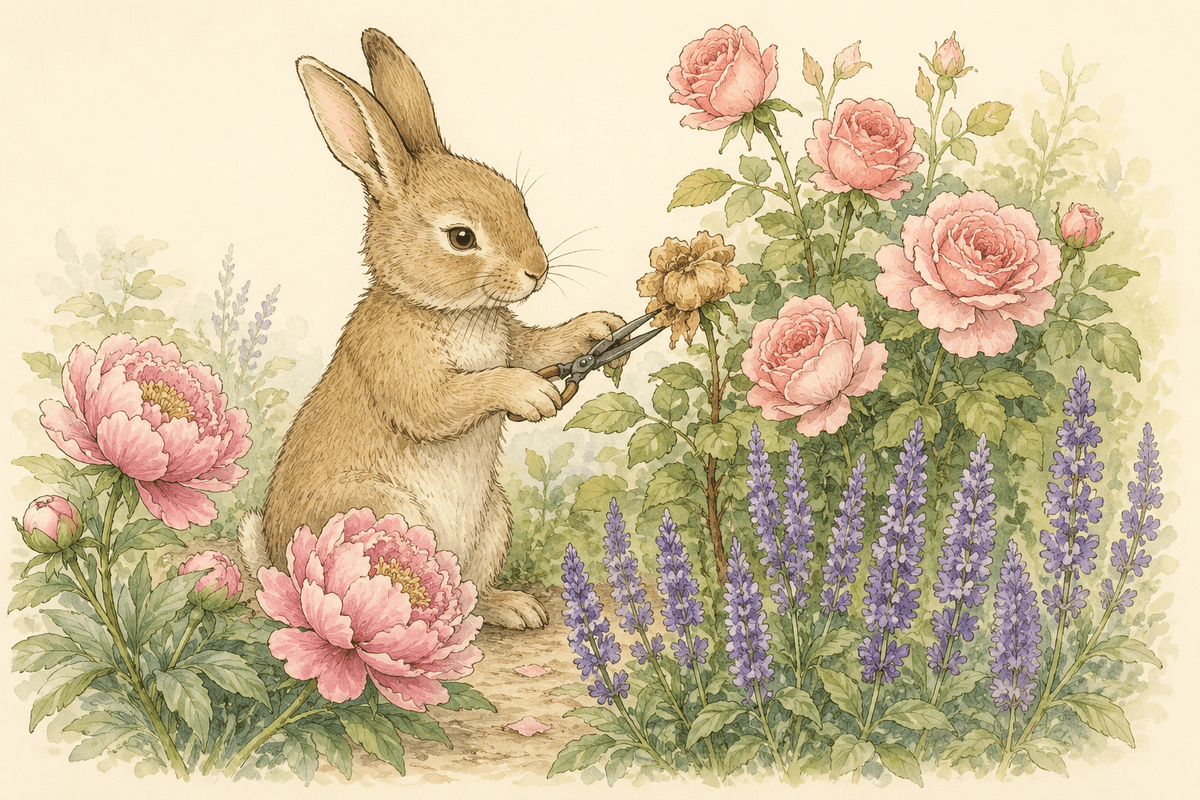
If you've ever looked at a faded flower and wondered whether you should cut it off, you're not alone.
Many plants continue blooming longer when old flowers are removed. This simple practice is called deadheading.
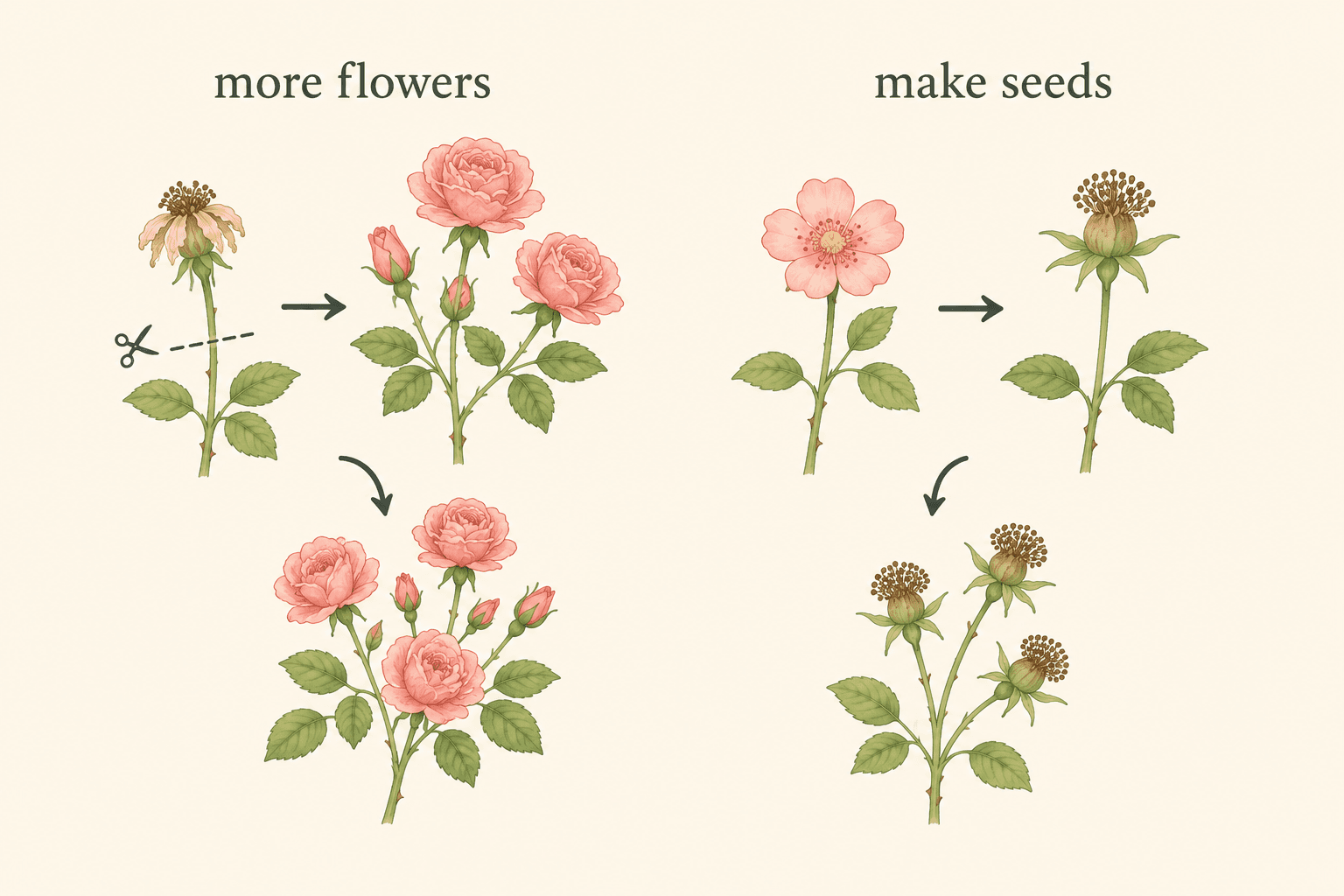
When a flower finishes blooming, the plant often shifts its energy toward producing seeds. By removing spent flowers, you encourage many plants to focus on new growth and additional blooms instead.
The good news is that deadheading doesn't require special tools or advanced gardening knowledge. A few minutes each week can make a noticeable difference.
Why June Is the Perfect Time
June is when many spring-flowering plants begin to fade while summer bloomers are just getting started.
A quick walk through the garden often reveals:
Fading rhododendron flowers
Finished peony blooms
Early roses ready for trimming
Salvia flower spikes beginning to brown
Geranium flowers past their best
This makes June one of the most rewarding times of year to deadhead.
Plants Worth Deadheading in June
Roses
Many modern roses bloom repeatedly throughout summer.
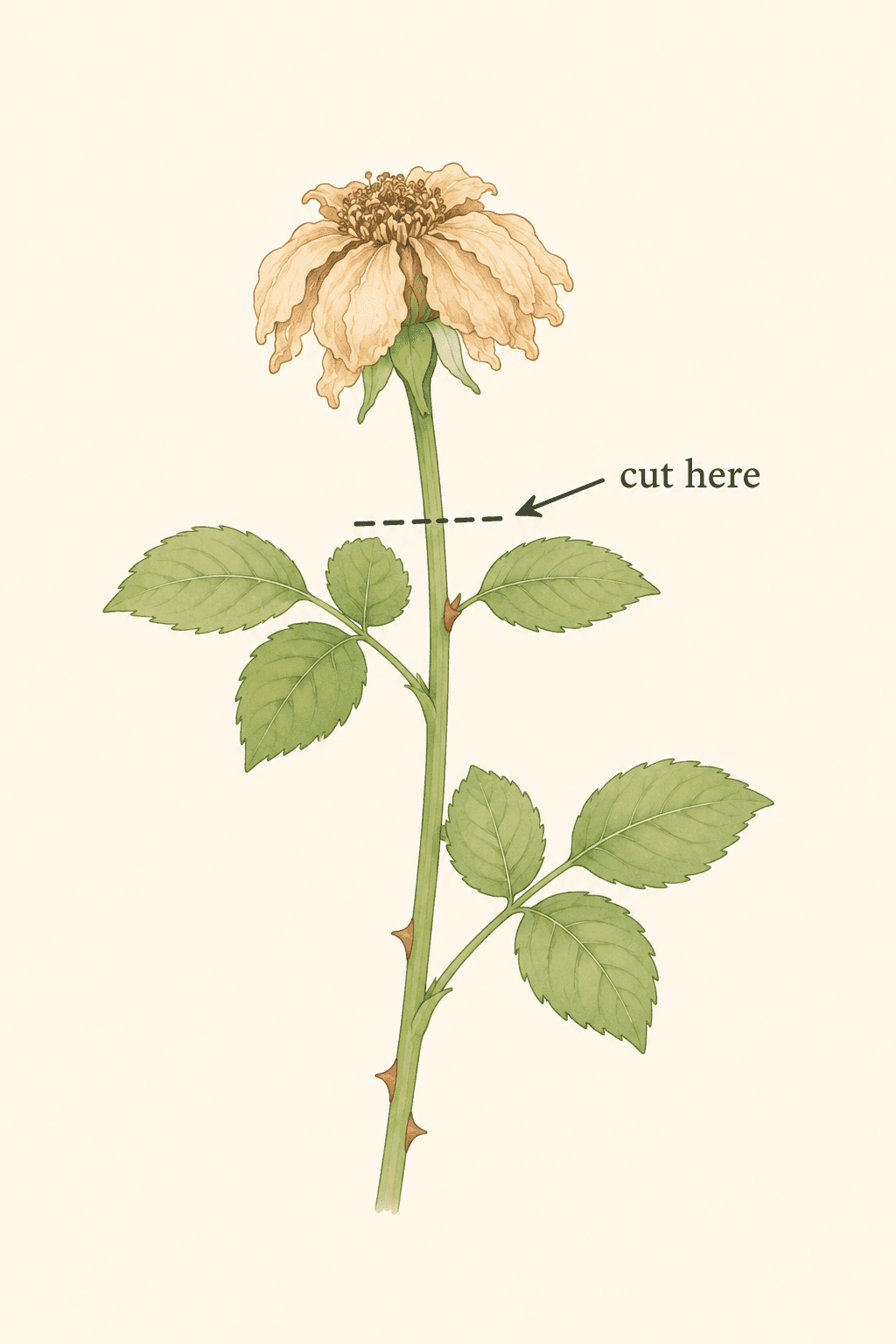
Removing spent flowers encourages fresh growth and often leads to another round of blooms.
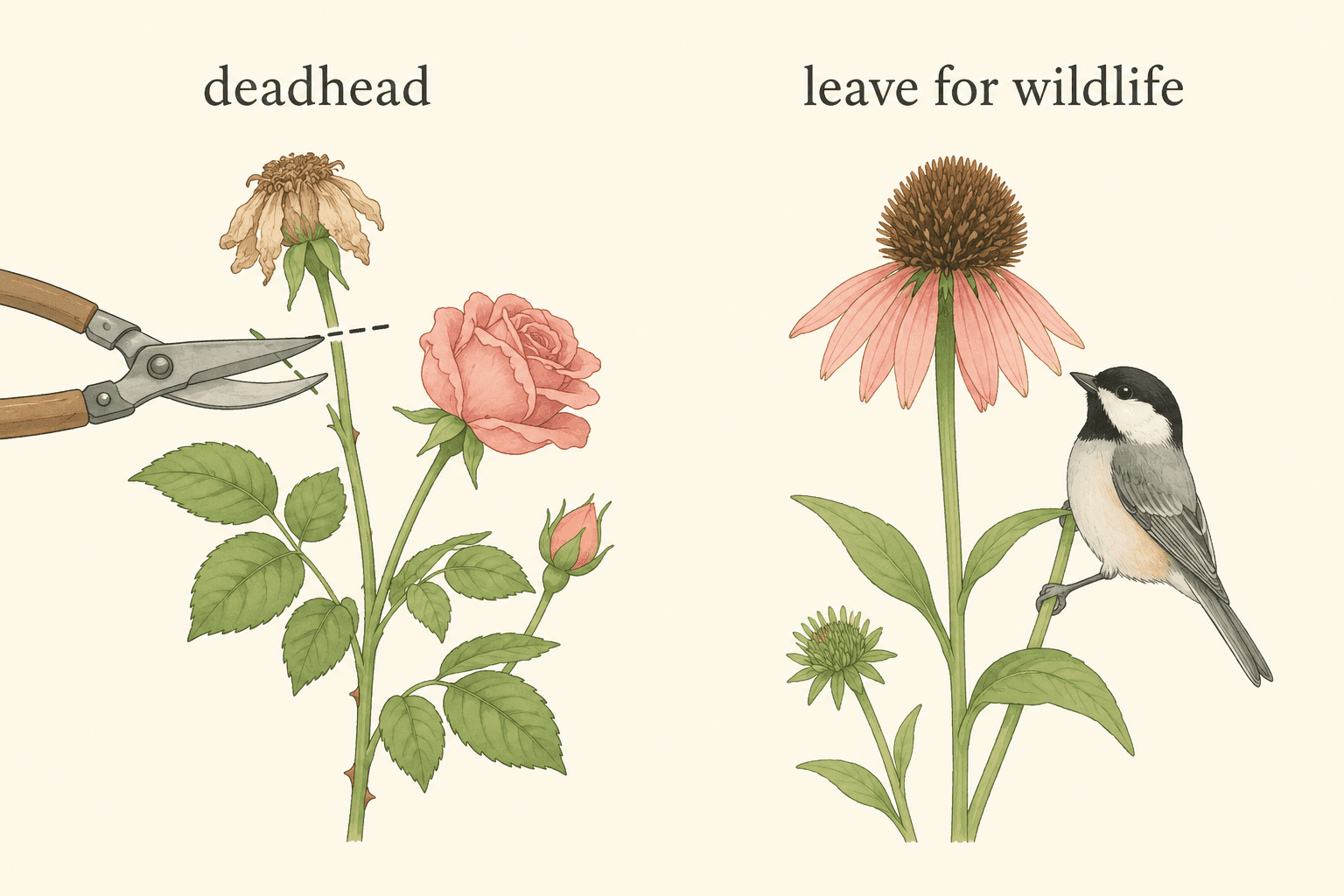
Cut back to the first healthy set of leaves below the flower.
Salvia
Salvia is one of the easiest plants to deadhead.
Once the flower spikes begin fading, cut them back.
Many varieties will produce a second flush of flowers later in summer.
Geraniums
Hardy geraniums often look tired after their first major bloom.
Removing spent flowers helps tidy the plant and can encourage additional flowering.
Peonies
Once blooms finish, remove the faded flowers.
Leave all the foliage in place.
The leaves continue feeding the plant and helping next year's flowers develop.
Annual Flowers
Many annuals benefit from regular deadheading.
Examples include:
Cosmos
Marigolds
Zinnias
Petunias
The more consistently you remove old blooms, the longer many annuals will flower.
What NOT to Deadhead
Not every plant needs your help.
In some cases, removing spent flowers can actually reduce seasonal interest or prevent wildlife benefits.
Hydrangeas
Many hydrangeas look attractive even after flowering.
The dried flower heads often provide autumn and winter interest.
Unless you dislike the appearance, they can usually wait.
Coneflowers
The seed heads feed birds later in the season.
Many gardeners leave them standing through autumn and winter.
Ornamental Grasses
Flower heads and seed heads often become part of the display.
Leave them until late winter or early spring.
Plants Grown for Seeds
If you're saving seeds from flowers or vegetables, you'll want blooms to mature naturally.
Deadheading defeats the purpose.
A Simple Rule
When deciding whether to deadhead, ask yourself:
Do I want more flowers or seeds?
If you want more flowers, deadheading usually helps.
If you want seeds, wildlife value, or winter interest, leave the spent blooms in place.
Don't Aim for Perfection
One of the biggest mistakes new gardeners make is feeling they need to remove every faded flower.
You don't.
Deadheading is a tool, not a requirement.
Even a few minutes while walking through the garden with a cup of coffee can make a difference.
Focus on the plants that benefit most and ignore the rest.
Final Thoughts
Deadheading is one of the simplest ways to keep a garden looking fresh through summer.
In June, a little attention to roses, salvia, peonies, and annual flowers can encourage weeks of additional color.
At the same time, remember that not every spent flower is a problem. Some become seeds, wildlife food, or beautiful winter structure.
Part of becoming a gardener is learning which plants appreciate a trim and which are better left alone.
Related reads
A few more posts that pair well with this one.
When and How to Prune Rhododendrons in the Pacific Northwest
→Learn when and how to prune rhododendrons in the Pacific Northwest, from deadheading and shaping to rejuvenating old, overgrown shrubs.
How to Water a Garden Properly (PNW Beginner Guide)
→A simple beginner’s guide to watering your garden in the Pacific Northwest. Learn how often to water, signs of overwatering, and how to help plants grow stronger roots.
How to Prune Hydrangeas (Without Killing Them)
→Confused about pruning hydrangeas? Learn how to identify your type, when to prune, and exactly what to cut—without killing your plant. A simple, PNW-friendly guide.
Not finding the answers?
Have a gardening question or topic you'd like me to write about? Send a request and I'll see what I can dig up.
Enjoying this post?
If you love the whimsy and want to support more PNW garden guides, you can buy me a coffee.
🌼 Buy Me a Coffee