
5 Easy Plants for Beginner Gardeners in the Pacific Northwest

If you’re new to gardening in the Pacific Northwest, the biggest mistake isn’t planting the wrong thing.
It’s planting something too difficult too soon.
Our region has its own rhythm — cool springs, long damp winters, dry late summers, generous shade. The plants that thrive here aren’t always the ones you see in glossy garden books.
So instead of starting with something fussy, start with plants that forgive you.
Plants that:
Handle a little too much rain
Don’t panic in partial shade
Recover from uneven watering
Still look good if you’re learning
If you plant even one of the five below, you’re very likely to feel successful your first season.
And that matters.
Beginner gardening isn’t about choosing rare plants — it’s about choosing forgiving ones.
Kale
(A cool-season overachiever)
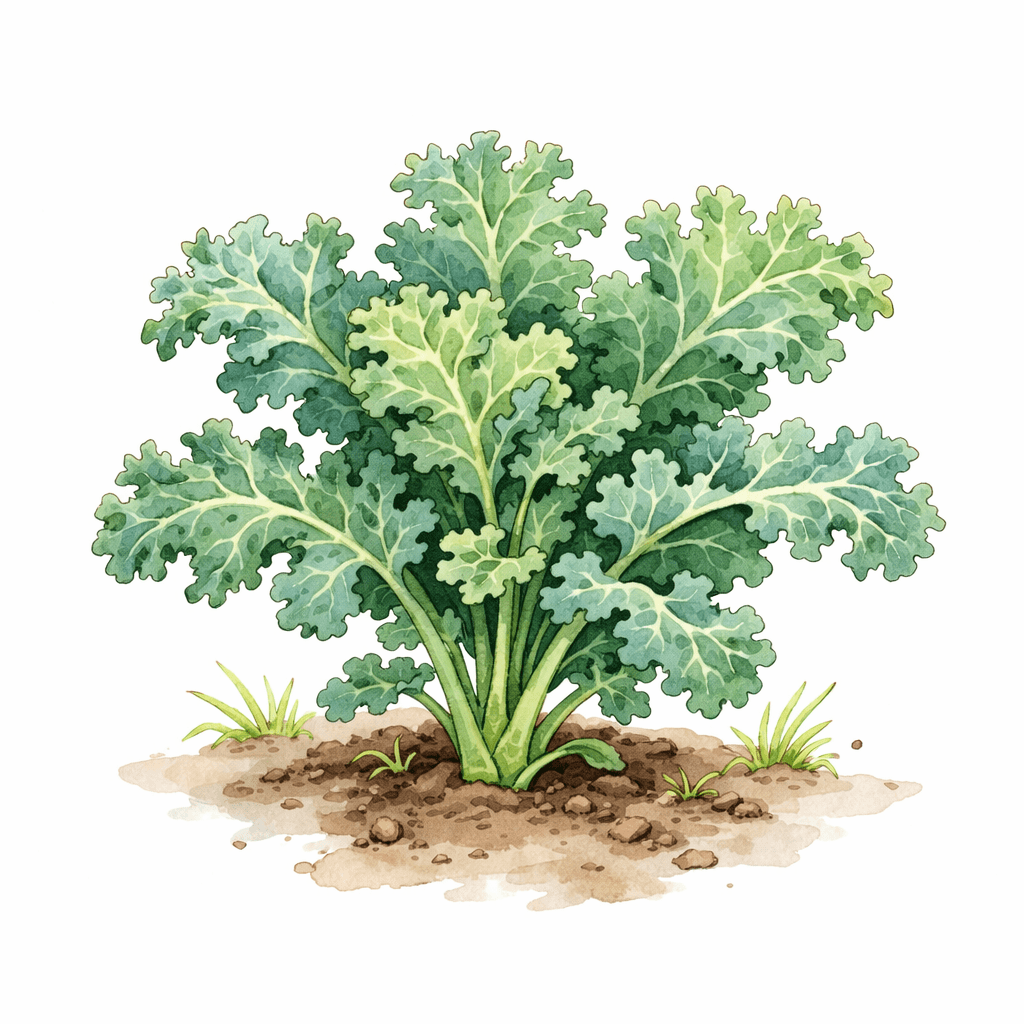
Kale
Brassica oleracea (Acephala Group)Kale is one of the easiest “confidence plants” for the Pacific Northwest—happy in cool weather, tolerant of rain, and generous even when you forget about it for a week. Plant it in early spring or late summer for fall and winter harvests. Pick outer leaves as you go and it keeps producing (often sweeter after a light frost).
If the Pacific Northwest had a mascot vegetable, it might be kale.
It loves cool weather.
It tolerates damp soil.
It doesn’t mind cloudy weeks.
You can plant it in early spring or late summer and harvest for months. Even if it gets a little nibbled by insects, it keeps going.
Beginner win:
You can harvest within weeks, and it keeps producing.
Plant it in full sun to part shade, improve the soil with compost, and water during dry spells. That’s it.
Loose-Leaf Lettuce
(Quick, forgiving, and surprisingly resilient)
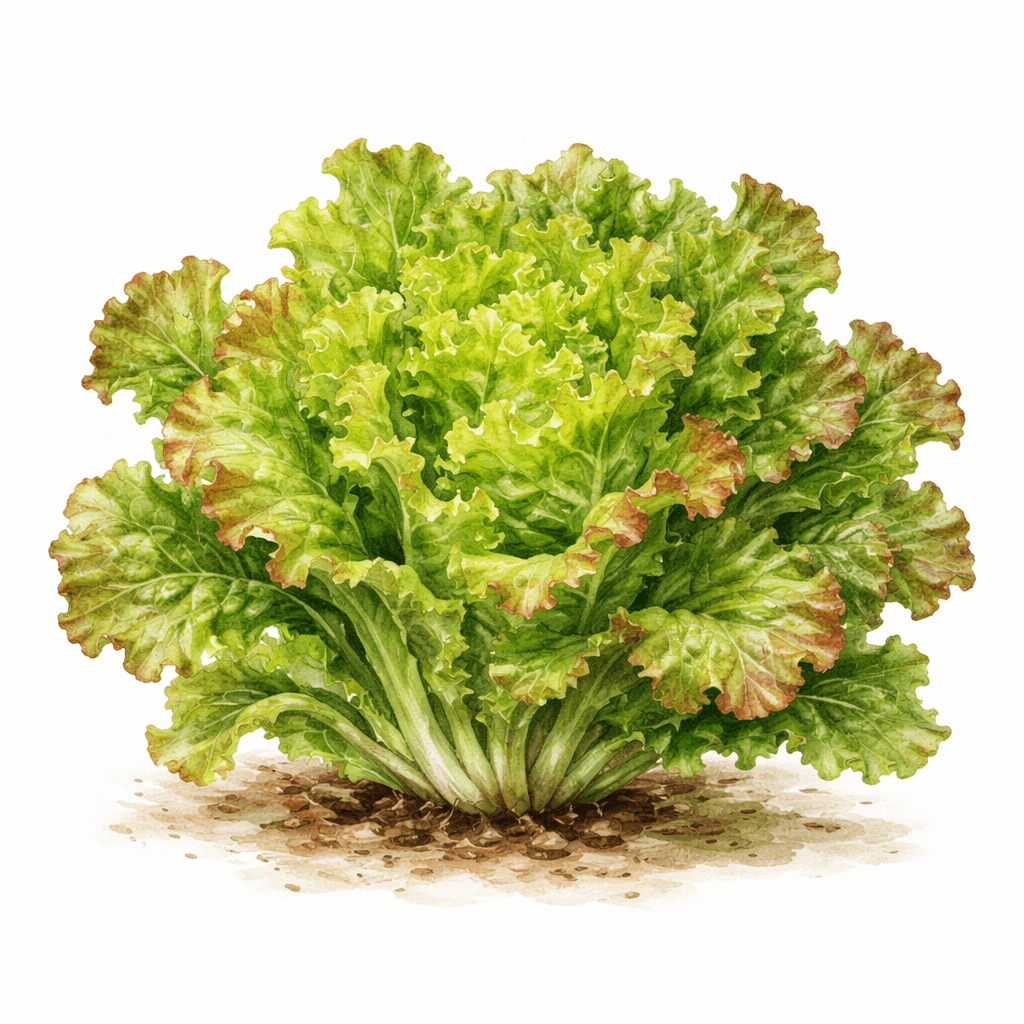
Loose-Leaf Lettuce
Lactuca sativaLoose-leaf lettuce is the quiet overachiever of the spring garden. It sprouts quickly in cool soil, tolerates PNW drizzle, and rewards you with handfuls of tender leaves week after week. Snip the outer leaves and it keeps growing—no drama, no fuss. Perfect for raised beds, containers, or tucking between slower crops.
Head lettuce can be temperamental. Loose-leaf lettuce is not.
It germinates easily in cool soil.
It grows quickly.
You can harvest outer leaves and let the plant keep producing.
It thrives in spring and fall here — sometimes even through mild winters under protection.
Beginner win:
You feel like a gardener almost immediately.
If it bolts in summer heat, that’s okay. It taught you something about timing.
Nasturtiums
(Bright, cheerful, and unbothered by imperfection)
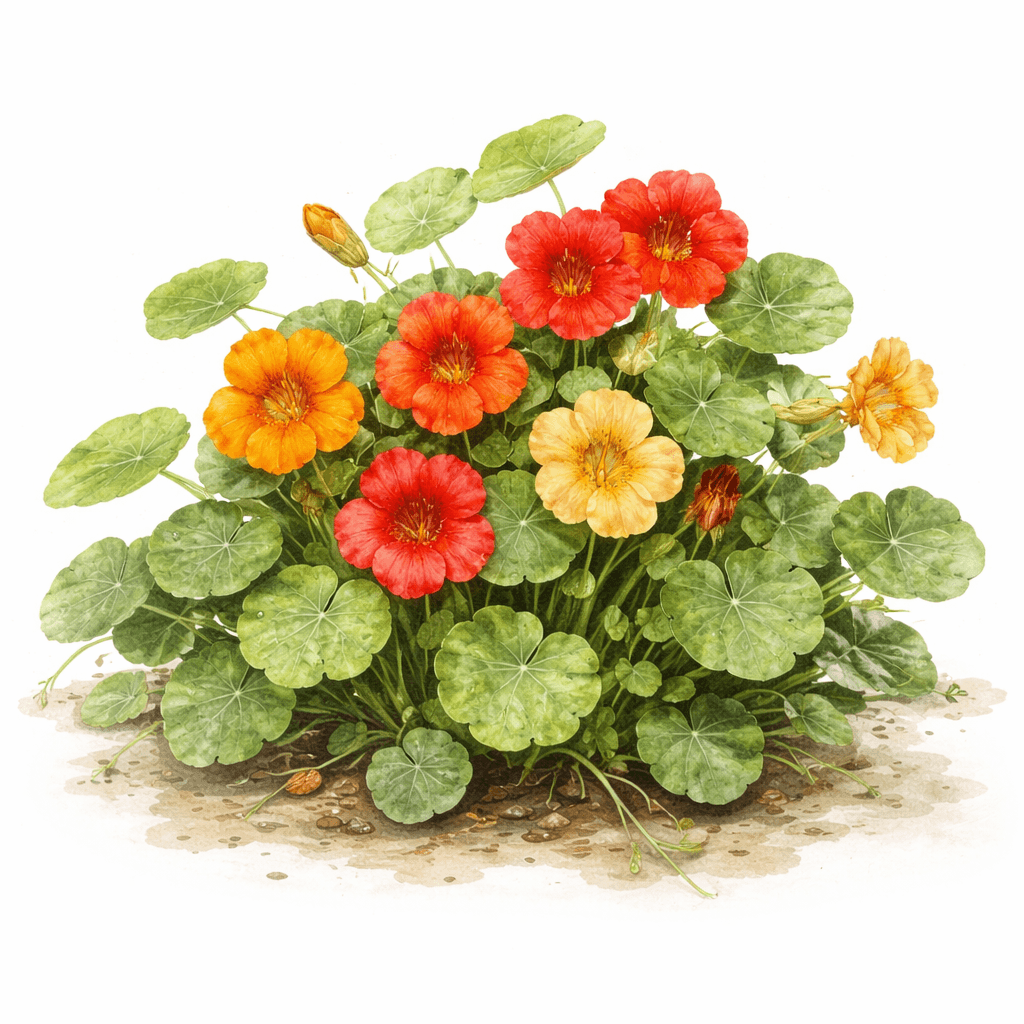
Nasturtiums
Tropaeolum majusNasturtiums are one of the most joyful beginner plants you can grow. Their round lily-pad leaves and bright, edible flowers spill happily from containers and garden beds alike. In the Pacific Northwest, they thrive in average soil and don’t ask for much—too much fertilizer actually means more leaves and fewer blooms. Direct sow after the last frost and let them ramble. Bees love them, and so will you.
Nasturtiums are one of the most forgiving flowers you can grow.
They:
Tolerate poorer soil
Handle inconsistent watering
Thrive in full sun to part shade
Reseed happily
The leaves are round and lush. The flowers are vibrant. Pollinators adore them.
Beginner win:
You plant once, and they often come back.
In fact, they bloom better in less-than-perfect soil. A rare and wonderful quality.
The best first plants don’t demand perfection — they reward curiosity.
Hydrangea
(The Pacific Northwest classic)
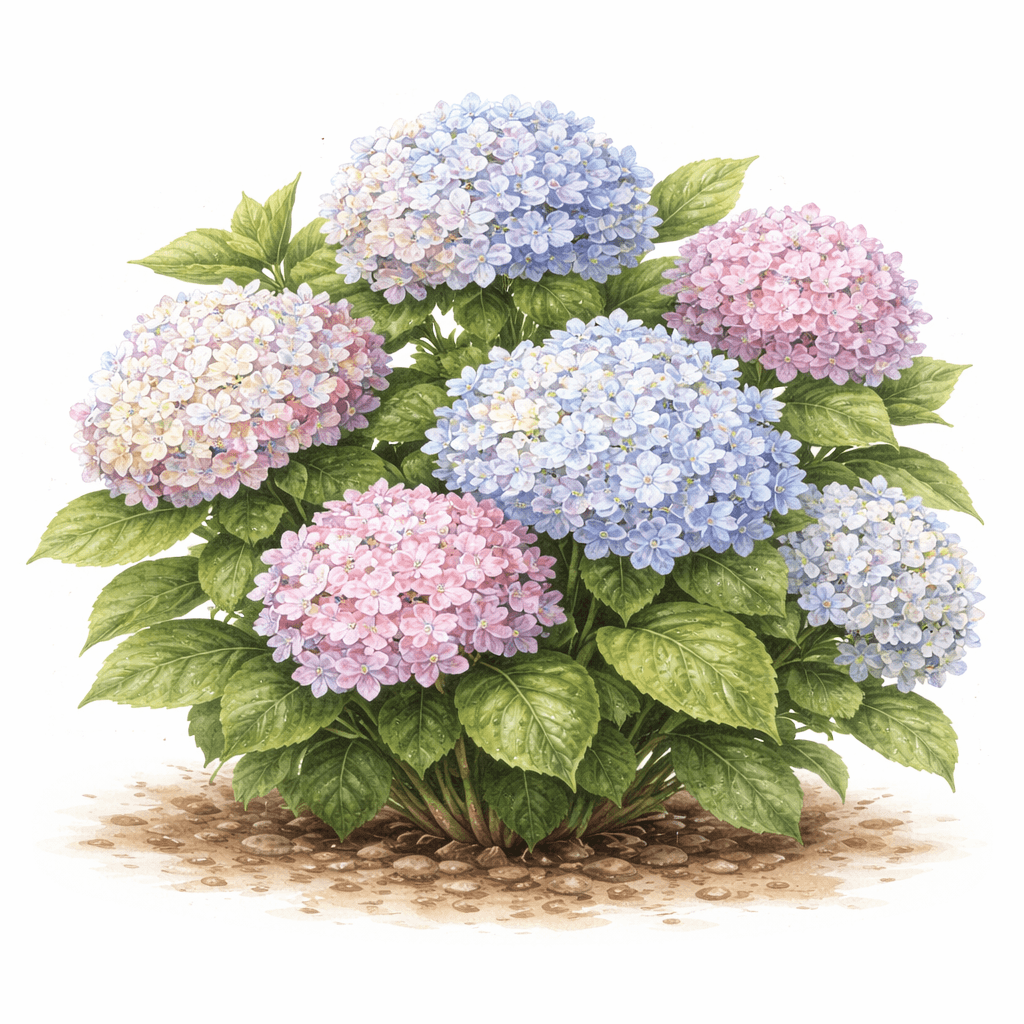
Hydrangea
Hydrangea macrophyllaHydrangeas are a Pacific Northwest classic — lush, generous shrubs that thrive in our cool, damp climate. Their large blooms range from soft blues to blush pinks depending on soil acidity, and they provide structure and beauty from early summer into fall. Plant them in morning sun or dappled shade with rich, well-draining soil. Once established, they’re surprisingly low-maintenance and reward you year after year.
If your garden leans toward shade — and many of ours do — hydrangeas are a gift.
Mophead and lacecap varieties thrive in:
Partial shade
Mild, wet winters
Rich, compost-amended soil
They offer dramatic blooms with relatively little fuss once established.
Beginner win:
They make a garden feel real.
If you’re unsure about pruning, start with a variety that blooms on old wood and prune lightly. Hydrangeas are far more resilient than they’re given credit for.
Chives (or Mint, with Caution)
(Perennials that build confidence)
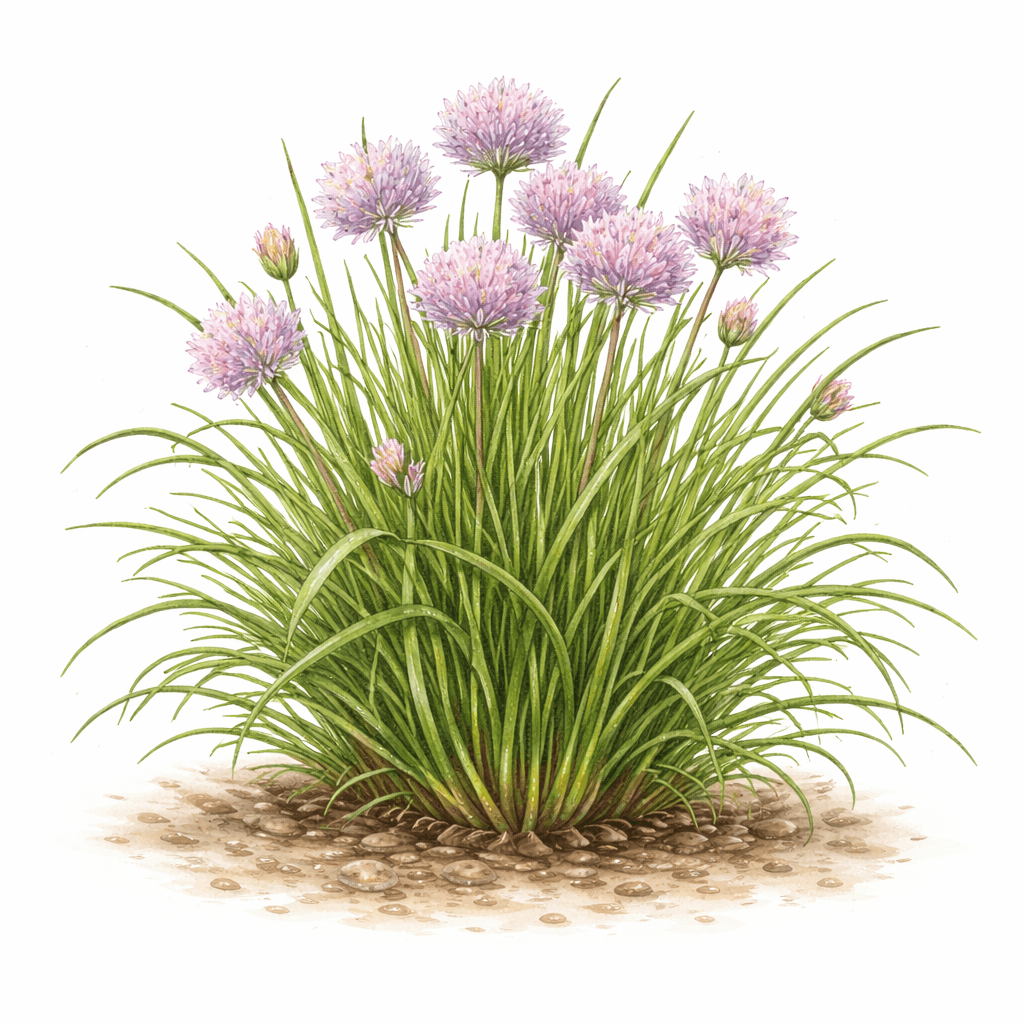
Chives
Allium schoenoprasumChives are one of the easiest perennial herbs to grow in the Pacific Northwest. Their slender green leaves return each spring, and in early summer they send up soft purple pom-pom flowers that pollinators adore. Snip leaves regularly to encourage fresh growth, and divide clumps every few years to keep them vigorous. They thrive in raised beds, borders, and containers — and they’re surprisingly tolerant of our cool, damp climate.
Chives return year after year.
They tolerate:
Cold winters
Part sun
Inconsistent care
In spring, they produce soft purple blooms that pollinators love.
Mint is equally forgiving — though it must be grown in a container unless you’re ready for enthusiasm.
Beginner win:
They come back. Even if you forget about them.
Perennials teach you that gardening is not just about this season — it’s about rhythm.
What Makes a Plant “Easy” in the Pacific Northwest?
In our climate, easy plants:
Handle cool springs
Don’t mind winter rain
Recover from small mistakes
Tolerate partial shade
They don’t demand perfection.
And that’s what beginners need most.
You don’t build confidence by planting everything.
You build it by planting one thing well.
Start With One
You do not need to plant all five.
In fact, I’d encourage you to choose just one.
Plant it well.
Add compost.
Observe the light.
Notice how it responds.
Gardening confidence doesn’t grow from complexity.
It grows from small successes repeated over time.
In the Pacific Northwest, you don’t need to fight the climate to succeed.
You just need to choose plants that already belong here.
And then let yourself learn.
Ready for the next step?
If this list helped, you might also enjoy:
• Beginner’s Guide to Gardening in the Pacific Northwest
Related reads
A few more posts that pair well with this one.
What to Plant in August (Zone 8a & 8b Pacific Northwest Guide)
→Discover what to plant in August in the Pacific Northwest (Zone 8a & 8b). Find the best vegetables, herbs, and flowers to sow now for autumn and winter harvests.
Beginner Raised Bed Garden
→Learn how to build a simple raised bed garden in the Pacific Northwest. Includes wood vs metal beds, where to place them, what soil to use, and easy crops for beginners.
What to Plant in March in Washington State (PNW Gardening Guide)
→Wondering what to plant in March in Washington State? A practical Pacific Northwest gardening guide covering vegetables, flowers, herbs, and trees you can plant now — indoors and out.
Not finding the answers?
Have a gardening question or topic you'd like me to write about? Send a request and I'll see what I can dig up.
Enjoying this post?
If you love the whimsy and want to support more PNW garden guides, you can buy me a coffee.
🌼 Buy Me a Coffee